
Upgraded Version Bed Sensor Alarm
4.5Editor score
Motion sensor on floor
No loud room noises
Dual power supply options
Choosing the right bed alarm for elderly and dementia patients is crucial for ensuring safety and peace of mind for caregivers. These devices detect movement or pressure changes to alert you before a fall occurs, allowing for timely assistance during critical moments.
We compared ten leading models based on sensor accuracy, wireless range, alert customization, and ease of setup. Our analysis focuses on reliability, comfort for the user, and features that support independent living while reducing nighttime wandering risks.
Each pick highlights specific strengths such as quiet operation, long battery life, or expandable monitoring. Please note that product availability and pricing may change over time, so verify current details before making your final purchasing decision today.
4.5Editor score
4.7Editor score
4.8Editor score
As an Amazon Associate we earn from qualifying purchases.
The following table provides a side-by-side comparison of all ten reviewed bed alarm systems to help you quickly identify the best fit for your specific caregiving needs and environment.



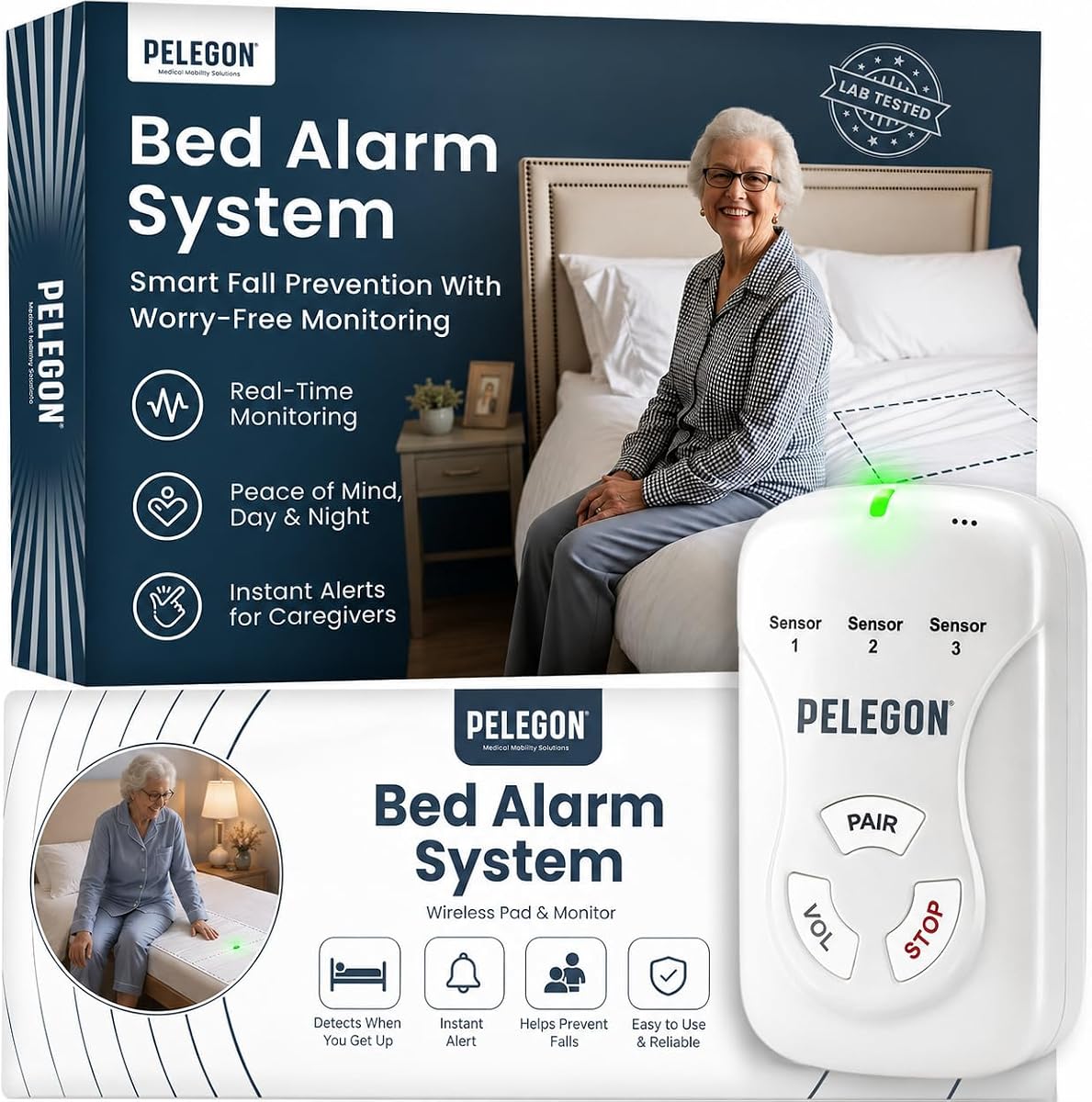
This system stands out for its balance of reliability and ease of use. With a high rating, it offers a wireless sensor pad that detects movement as a loved one begins to rise. The pager clips to a belt and works up to 328 feet away.
We may earn a commission when you buy through this link, at no additional cost to you.
The device supports sound alerts, adjustable volume, or vibration-only modes for quiet monitoring. It is designed specifically for dementia care to reduce unsafe wandering and nighttime accidents. Setup takes seconds with no tools required.
While effective, the sensor pad might shift if not secured well under the sheet. Battery details are not always clear in listings so verify what comes in the box before purchase.
Caregivers looking for a straightforward, effective solution will appreciate this model. It provides essential protection without complicated setup.
The alert system helps caregivers respond sooner to reduce unsafe wandering and nighttime accidents effectively.
Choose sound alerts, adjust volume, or use vibration-only mode for quiet monitoring in shared rooms.
We may earn a commission when you buy through this link, at no additional cost to you.
This model is an affordable option for caregivers who want to monitor exits without alerting the patient. It uses a motion sensor placed on the floor under the bed to trigger an alarm when the patient's foot is about to touch the ground.
We may earn a commission when you buy through this link, at no additional cost to you.
The alarm does not sound in the patient's room to avoid startling them. It transmits signals to receivers within 918 feet in open areas. Features include dual power supply and five volume levels.
It requires floor placement rather than bed pad installation which may be less convenient for some users. The design is basic but functional for its price point.
Budget-conscious buyers will find good value here. It delivers essential monitoring without expensive features.
The bed alarm does not sound in the patient's room potentially startling them and causing a fall.
Wireless motion sensors transmit signals to receivers within 918 feet in open area coverage.
We may earn a commission when you buy through this link, at no additional cost to you.
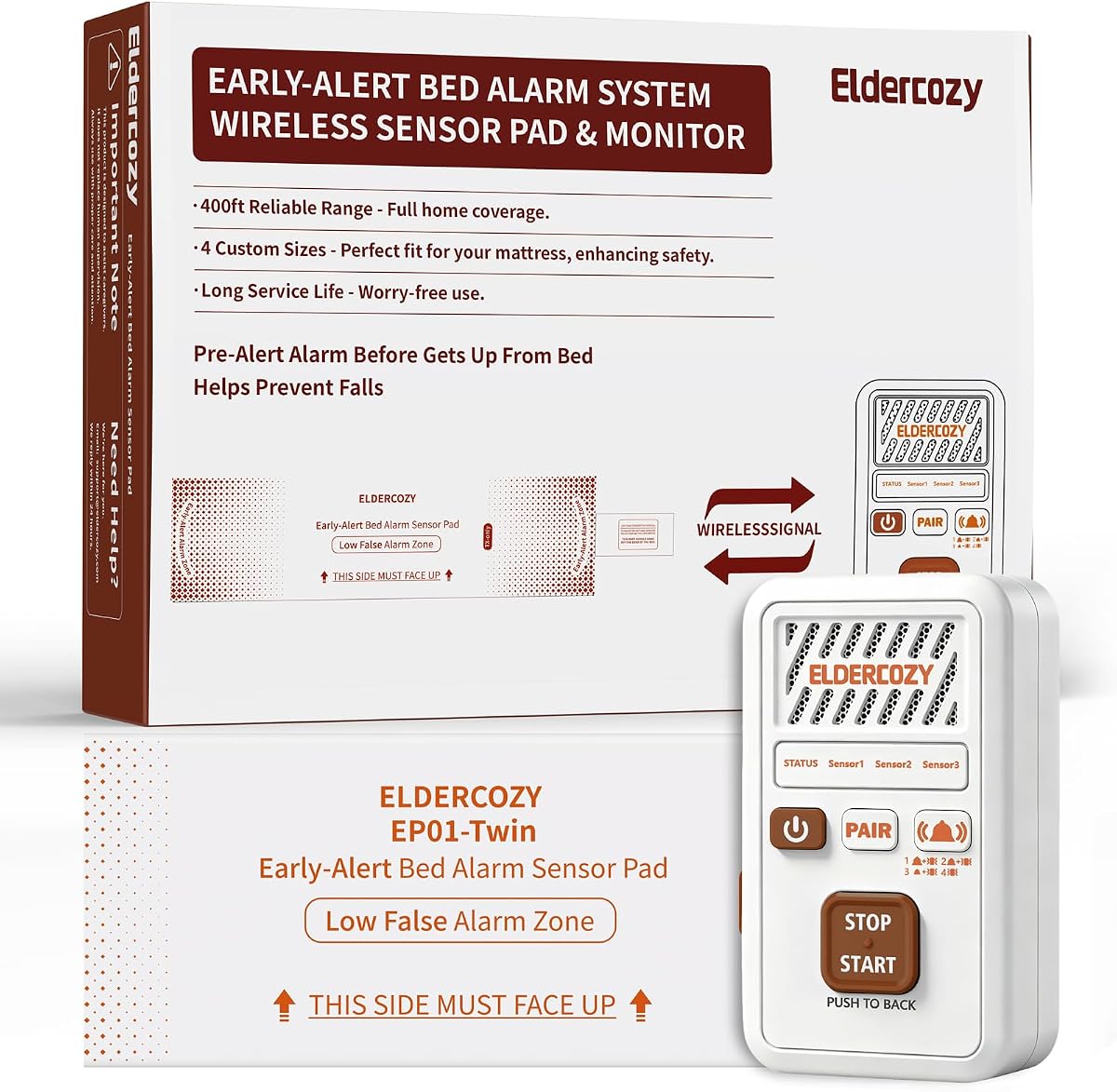
Premium quality shines with this TPU composite pad that never crunches. It alerts when the loved one sits on the edge before standing up. The wireless signal reaches 400 feet and supports replaceable batteries.
We may earn a commission when you buy through this link, at no additional cost to you.
Caregiver Mode pauses the alarm for twenty minutes to assist without false alerts. It features four alert modes including vibration-only to avoid startling partners. The pad is waterproof and resists stains.
The price is higher but justified by comfort and features. Size options like twin full queen king help ensure a perfect fit.
Those willing to invest in comfort and longevity should consider this. It sets a high standard for bed alarms.
Our bed alarm pads are crafted from soft skin friendly TPU composite that never crunches.
Long-press button to activate Caregiver Mode temporarily pausing alarm for 20 minutes.
We may earn a commission when you buy through this link, at no additional cost to you.
This system alarms when pressure is removed from the pad so caregivers know loved ones are safe in bed. The unit can be mounted on a bed wall or nearby surface for easy access.
We may earn a commission when you buy through this link, at no additional cost to you.
The sensor pad is soft vinyl sealed for incontinence protection and easy to clean with a wet cloth. Low battery and sensor status lights ensure the monitor is working properly.
In-room alerts may startle some patients but the optional wireless add-on kit is available separately. Setup is straightforward with the pad under the sheet.
Ideal for basic monitoring needs with room to expand. A trusted choice for many caregivers.
This bed alarm instantly alarms when pressure is removed from the pad.
Includes a soft vinyl sensor pad sealed for incontinence protection.
We may earn a commission when you buy through this link, at no additional cost to you.
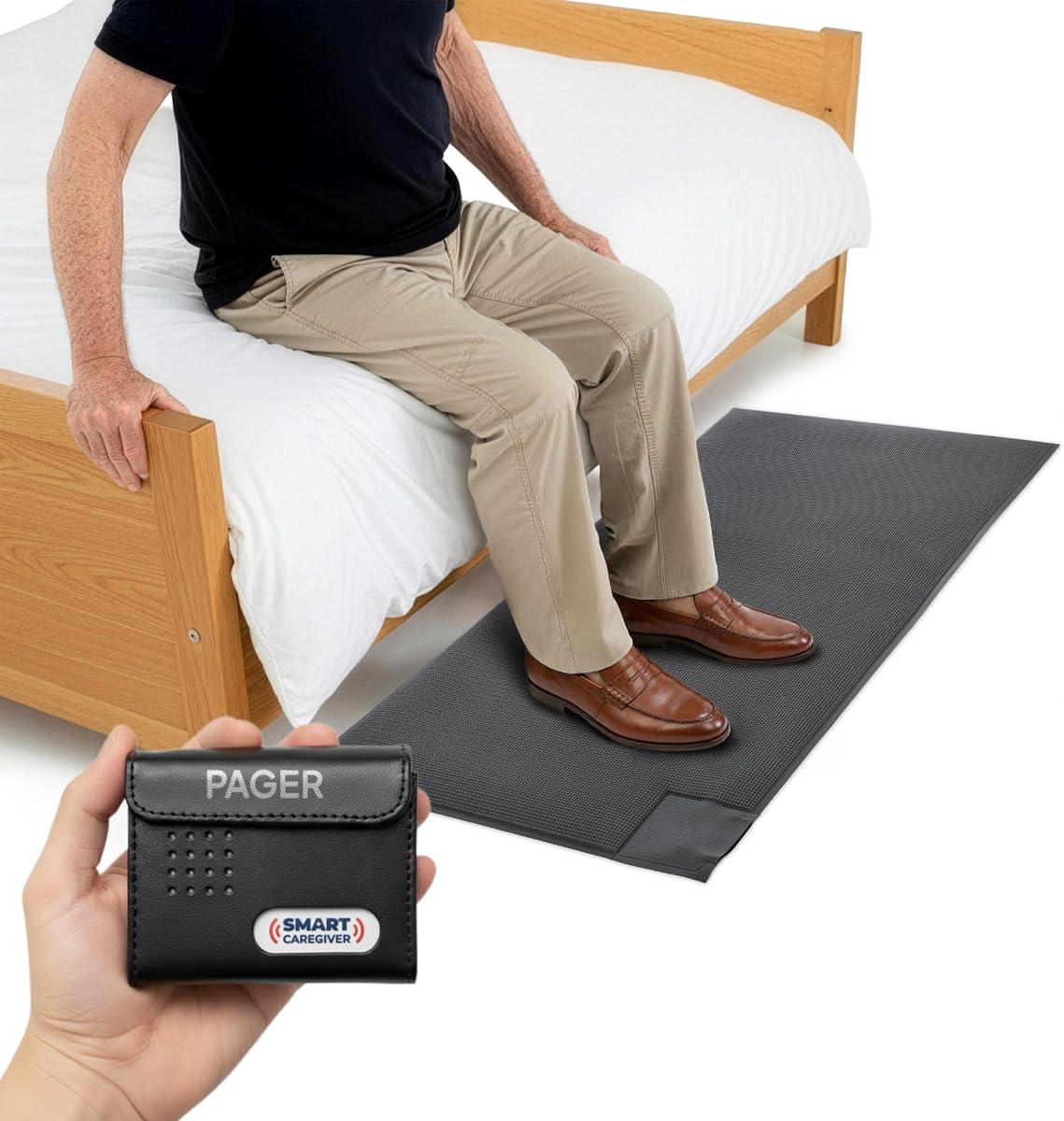
This floor mat system alerts caregivers immediately when patients step on the weight sensing surface. It sends sound or vibrate alerts to the included pager up to 300 feet away.
We may earn a commission when you buy through this link, at no additional cost to you.
The mat can be placed at bedside to prevent falls or by an exit door to alert if the patient wanders. The patient alert pager includes audible and vibrate options that wont startle residents.
It requires floor space which may not suit all rooms. Batteries for the pager are not included so you must source them separately.
Great for exit detection and room monitoring. A solid addition to fall prevention products.
Place the mat by an exit door to alert if the patient is wandering.
Pair it with other alarms for seniors such as call buttons and wireless pads.
We may earn a commission when you buy through this link, at no additional cost to you.
This system features a soft bed pad with a full-coverage weight sensor that wirelessly alerts caregivers when pressure is removed. The included pager offers both vibrate and sound alert options.
We may earn a commission when you buy through this link, at no additional cost to you.
It supports up to six different sensors allowing comprehensive monitoring of beds chairs and doorways. The pad is engineered to reduce false alarms with an extra-large contact sensor.
The connection from pad to monitor uses a cord which limits placement flexibility. However the wireless pager provides freedom of movement.
A reliable choice from a trusted American company. Excellent for networked monitoring.
The included pager offers both vibrate and sound alert options for preferred modes.
The pager supports up to six different sensors for comprehensive monitoring.
We may earn a commission when you buy through this link, at no additional cost to you.
This system uses a wireless motion sensor positioned on the floor beside the bed to detect feet touching ground. It does not require touching the patient and is less likely to trigger from bed movements.
We may earn a commission when you buy through this link, at no additional cost to you.
The receiver offers five volume levels and eighteen ringtones with vibration-only options. The sensor supports 360-degree rotation to prevent false alarms from incontinence or restless sleep.
It features a Type-C charging port and portable design allowing movement around the house. The sensor uses replaceable AAA batteries for long-term use.
A versatile option for various care settings. Good for those who want customizable alerts.
The bed alarms receiver offers 5 volume levels and 18 ringtones.
The sensor supports 360 rotation to prevent false alarms.
We may earn a commission when you buy through this link, at no additional cost to you.
This motion sensor can be placed on the floor under the bed to trigger when feet are about to touch the ground. It transmits signals to a receiver within 918 feet of open area.
We may earn a commission when you buy through this link, at no additional cost to you.
It supports both battery and Micro USB power modes. The receiver has four alert modes including sound and light flashing. Product quality has passed durability tests.
The sensor starts a self-test procedure before entering work state. Ensure you test the sensing range before fixing it in place.
Solid performance for standard monitoring tasks. A durable choice for daily use.
The receiver offers 4 alert modes including sound and light flashing.
Wireless sensor and receiver powered by battery or MICRO USB.
We may earn a commission when you buy through this link, at no additional cost to you.
This system immediately alerts the caregiver when the person under care attempts to get out of a bed or chair. It includes both a bed sensor pad and a chair sensor pad for versatile use.
We may earn a commission when you buy through this link, at no additional cost to you.
The monitor can be clipped to a headboard chair back or table. A phone-style clip makes it easy to switch between pads. The pads are sealed for incontinence protection.
Adjustable volume options are located inside the battery compartment which may require opening to change. Low battery and sensor status lights ensure safe operation.
Ideal for those needing chair monitoring as well. A trusted brand with good support.
The pressure-sensitive alarm pads immediately alert the caregiver when the person attempts to get out of a bed or chair.
The alarm features adjustable volume with high and low volume level options.
We may earn a commission when you buy through this link, at no additional cost to you.
This system accurately monitors patient movements and triggers an alarm when the patient attempts to leave the bed. It features adjustable volume music and vibration modes for flexible notifications.
We may earn a commission when you buy through this link, at no additional cost to you.
The pad is made from latex-free tear-and-water resistant materials that are simple to wipe clean. Setup is easy with secure clips under fitted sheets and lightweight pager.
The range is up to 300 feet allowing caregivers to move freely. It is ideal for home hospital and nursing home use.
A basic option for straightforward monitoring needs. Check reviews before buying.
Features adjustable volume music and vibration modes to suit day or night use.
Constructed from latex-free tear-and-water resistant materials incontinence-resistant.
We may earn a commission when you buy through this link, at no additional cost to you.
Selecting the right alarm involves balancing sensor type range alert mode and ease of use for both caregiver and patient. This guide explains the key factors that affect safety and performance in home care environments.
Bed pads use pressure sensors to detect weight removal which is effective for bed exit detection. Motion sensors placed on the floor detect feet touching ground and avoid disturbing sleep. Choose based on the patient's mobility and comfort needs.
Prioritize a sensor type that minimizes false alarms while ensuring reliable detection of movement.
Wireless range determines how far the caregiver can be from the alert source. Models often offer 300 to 400 feet in open areas. Ensure the range covers the bedroom and living space where caregivers spend time.
Choose a range that supports your home layout without losing signal in common areas.
Flexible alert modes like sound vibration or both help suit different environments. Vibration-only is useful for shared rooms to avoid waking others. Adjustable volume ensures the alert is heard clearly without being startling.
Look for devices with multiple alert modes to maintain flexibility day and night.
Devices powered by replaceable batteries offer long-term use without disposal concerns. Rechargeable options reduce waste but require charging cycles. Verify if batteries are included with the purchase.
Prioritize replaceable batteries for continuous operation without downtime.
Tool-free setup allows immediate use without professional help. Simple placements under sheets or on floors reduce installation time. Clear instructions and intuitive controls help caregivers get started quickly.
Choose models designed for quick installation to start protection immediately.
Expandable systems allow connecting multiple sensors to one pager for whole-home monitoring. This helps track movements in different rooms or from beds and chairs. It improves coverage for patients who wander frequently.
Select a system that supports additional sensors if future monitoring needs arise.
Sensor pads should be soft and comfortable under the patient. TPU or vinyl materials resist moisture and are easy to clean. Comfort ensures the patient sleeps well and reduces the likelihood of pad shifting.
Opt for soft waterproof materials that protect and comfort during use.
Reliable customer service helps resolve issues quickly. Warranty periods of one year or more indicate confidence in product quality. Look for companies with dedicated caregiver support teams.
Ensure the manufacturer offers accessible support for technical or product questions.
Place the sensor pad under the fitted sheet aligned with the patient's shoulder blades or hips depending on sensitivity needs. Secure the monitor unit nearby and ensure the wireless connection is active.
Test the system regularly by simulating movement or pressure changes to confirm the alarm sounds or vibrates correctly. Keep the pager charged or replace batteries as needed to maintain continuous monitoring.
Clean the sensor pad with a damp cloth if it becomes soiled and avoid harsh chemicals. Store the system in a dry place when not in use to prolong its lifespan and reliability.
A bed alarm alerts caregivers when a patient attempts to leave the bed allowing timely assistance before a fall occurs. This helps reduce wandering risks and prevents accidents during nighttime hours effectively.
Many modern models offer silent or vibration-only modes that alert only the caregiver. This ensures the patient remains undisturbed while still receiving necessary safety alerts.
Yes most systems use dedicated wireless frequencies so they do not rely on Wi-Fi. This makes them reliable even during internet outages or in areas with weak signals.
Wireless range varies but many models support over 300 feet in open areas. Check the specific product details to ensure coverage fits your home layout.
Many systems allow connecting multiple sensors to a single pager for expanded monitoring. This lets you track exits from different rooms with one device.
Devices often use standard AA or AAA batteries or rechargeable options. Replaceable batteries are preferred for long-term use without disposal costs.
The top picks include PELEGON for overall balance, Upgraded Bed Sensor for budget, and Twin Size Wireless for premium features. Each offers unique strengths suited to different caregiving scenarios.
Prioritize sensor reliability, wireless range, and alert customization when deciding. Comfort and ease of use should also guide your final selection for both patient and caregiver satisfaction.
Always verify current product details and availability before purchasing since specifications and stock can change over time. Safety remains the primary goal in any choice you make.