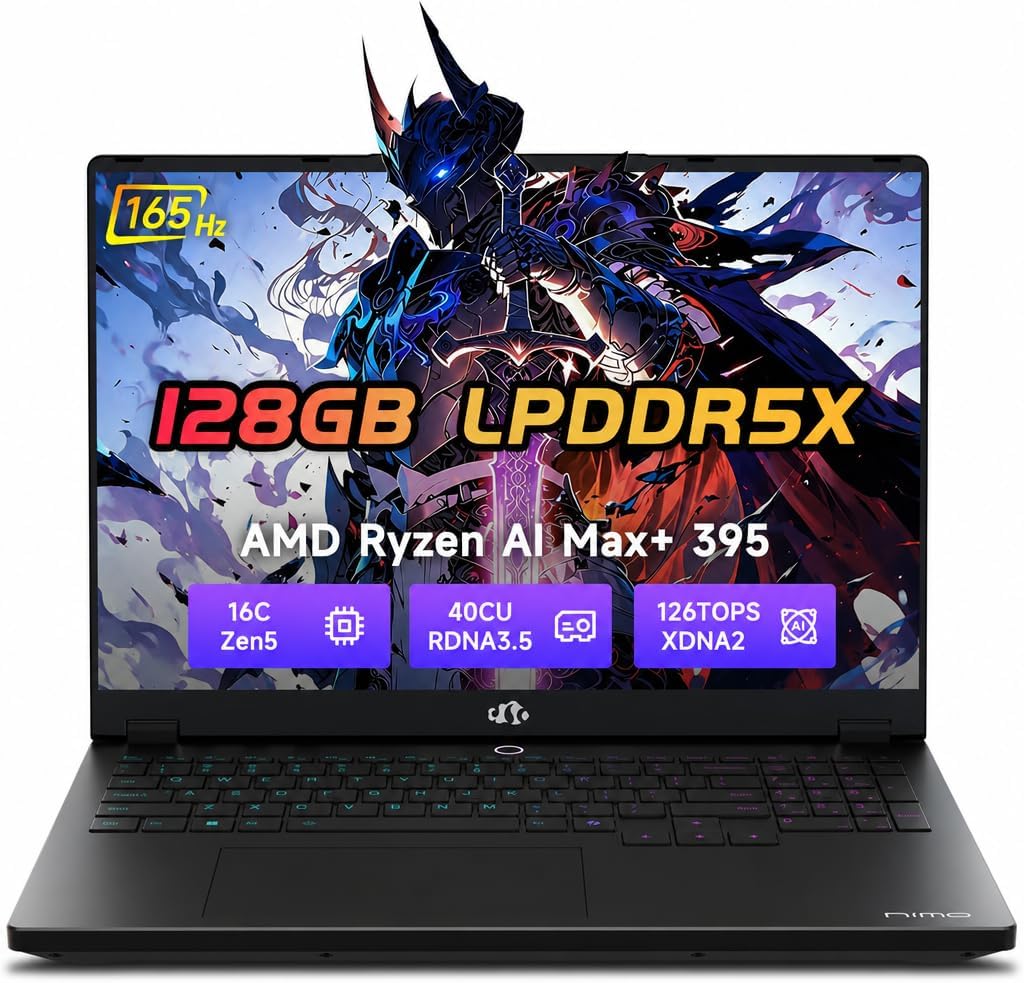
NIMO 16" Linux AI Laptop
5.0Editor score
AMD Ryzen Max+ 395 Processor
128GB LPDDR5X RAM
16-inch 2.5K 165Hz Display
Finding the right laptop for Linux can be challenging due to hardware compatibility issues. This guide highlights machines that work seamlessly with open-source operating systems.
We evaluated performance, display quality, battery life, and build durability to create this curated list. Each model offers unique strengths for developers, students, and professionals alike.
Every pick includes detailed specs and real-world insights to simplify your decision. Note that availability and pricing may fluctuate, so check current listings before purchasing.
5.0Editor score

4.3Editor score

4.6Editor score
As an Amazon Associate we earn from qualifying purchases.
This table provides a side-by-side overview of the top 10 laptops for Linux, highlighting key specifications to help you compare performance and features quickly.




This Lenovo IdeaPad Slim 3 delivers a strong Linux experience right out of the box with Ubuntu pre-installed. Its AMD Ryzen 7 processor and 16GB RAM ensure smooth performance for development and daily tasks.
We may earn a commission when you buy through this link, at no additional cost to you.
The 15.6-inch FHD touchscreen offers vibrant visuals with eye care features. Military-grade construction ensures durability, while the included bundle adds practical value for connectivity and storage.
While battery life is average, the trade-off is offset by robust performance and security features. The privacy shutter on the webcam enhances user safety during meetings or remote work.
Ideal for developers and students needing a reliable Linux machine. This laptop balances performance, durability, and value effectively for most professional workflows.
Ubuntu comes pre-installed, ensuring immediate usability without complex setup processes. Hardware compatibility is verified for essential peripherals.
Multiple USB ports, HDMI, and SD card reader support diverse workflows. The included docking station expands options further.
We may earn a commission when you buy through this link, at no additional cost to you.
This Lenovo Business Laptop runs Linux Mint Cinnamon, offering a user-friendly interface for professionals. The Intel i5-1335U provides efficient performance for productivity tasks.
We may earn a commission when you buy through this link, at no additional cost to you.
Its 15.6-inch FHD anti-glare display reduces eye strain during long hours. Fast charging ensures minimal downtime, while the full keyboard aids data entry.
Storage is limited to 256GB, which may require cloud solutions. However, the anti-glare screen and privacy features make it ideal for office environments.
Best for business users prioritizing reliability and Linux familiarity. This model balances cost and functionality for standard enterprise workflows.
The full number pad and anti-glare screen enhance long-duration work. Linux Mint offers a familiar Windows-like experience.
Privacy shutter and microphone mute protect sensitive data. Hardware-level security aligns with business needs.
We may earn a commission when you buy through this link, at no additional cost to you.
This variant offers a generous 1TB SSD, perfect for storing large datasets or media files. The AMD Ryzen 7 processor supports heavy multitasking effortlessly.
We may earn a commission when you buy through this link, at no additional cost to you.
The touchscreen adds versatility for creative tasks or presentations. Ubuntu ensures a clean, customizable environment tailored for developers.
While pricier, the storage capacity justifies the cost for power users. The included stylus enhances interaction with touch-based applications.
Recommended for users needing ample local storage and Linux. This model combines performance with practical extras for enhanced productivity.
The stylus pen supports digital art or note-taking. Touchscreen responsiveness improves navigation and interaction.
1TB SSD accommodates large software suites and media. No immediate need for external drives.
We may earn a commission when you buy through this link, at no additional cost to you.
With 32GB of RAM, this HP Business Laptop excels at running multiple virtual machines or heavy applications. The hybrid storage offers speed and capacity.
We may earn a commission when you buy through this link, at no additional cost to you.
The 17.3-inch HD+ display provides ample workspace for spreadsheets or code. Linux Mint ensures a stable and customizable environment.
While the CPU is older, the RAM compensates for heavy multitasking. The larger screen enhances productivity for desktop replacement needs.
Best for users prioritizing RAM over raw processing power. This laptop suits developers and analysts needing robust system resources.
32GB RAM supports virtualization and large datasets. Ideal for complex development environments.
NVMe SSD ensures fast boot times while HDD stores archives. Balanced approach to storage management.
We may earn a commission when you buy through this link, at no additional cost to you.
This version offers core specs at a competitive price point. The AMD Ryzen 7 ensures smooth performance for development and general tasks.
We may earn a commission when you buy through this link, at no additional cost to you.
Ubuntu pre-installation simplifies setup for new Linux users. The touchscreen enhances interaction, while the display protects eyes from strain.
Lack of bundle accessories may require separate purchases. However, the durability and performance justify the investment.
Ideal for budget-conscious users seeking Linux compatibility. This model delivers value without compromising essential hardware.
Balanced specs at lower cost. Suitable for students and startups.
Low Blue Light technology reduces eye strain during long sessions. Touchscreen responsiveness enhances usability.
We may earn a commission when you buy through this link, at no additional cost to you.
This HP laptop prioritizes portability with a lightweight chassis. The Intel N150 provides basic performance for web browsing and light tasks.
We may earn a commission when you buy through this link, at no additional cost to you.
Cloud storage compensates for limited local space. DDR5 memory offers faster data access compared to previous generations.
Limited RAM may hinder heavy multitasking. However, the portability makes it suitable for travelers needing a secondary device.
Best for users seeking a portable companion. This model focuses on mobility over raw power.
Slim design ensures easy carrying. Ideal for students or remote workers.
1TB cloud storage expands capacity. Reduces reliance on local drives.
We may earn a commission when you buy through this link, at no additional cost to you.
This NIMO laptop delivers exceptional performance for AI tasks. The 128GB RAM supports local tuning of large language models without cloud dependency.
We may earn a commission when you buy through this link, at no additional cost to you.
The 16-inch 2.5K 165Hz display offers color accuracy for creative work. Battery life supports long travel with its large capacity.
Premium pricing reflects its high-end specs. Weight is substantial, but performance justifies the trade-off.
Ideal for researchers and professionals needing local AI computing. This model sets a new standard for Linux AI machines.
Local LLM tuning enhances privacy. High memory bandwidth speeds up processing.
99Wh battery maximizes travel efficiency. Supports long sessions without charging.
We may earn a commission when you buy through this link, at no additional cost to you.
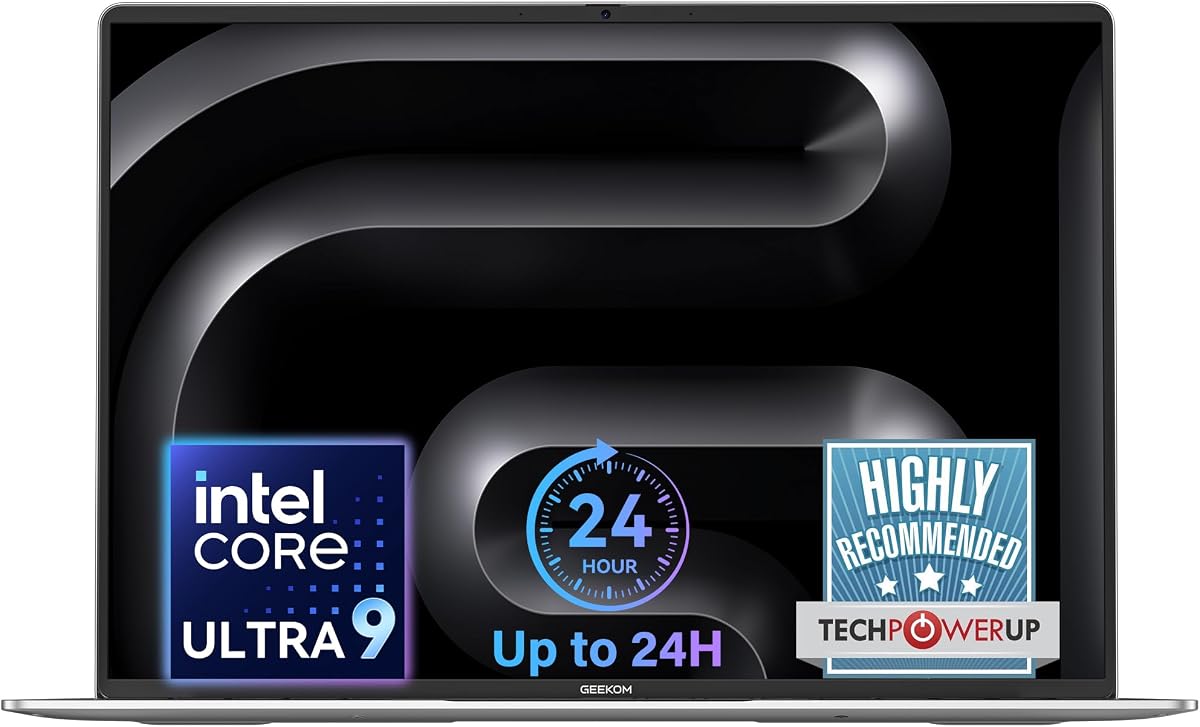
The GeekBook M16 boasts exceptional battery life and sustained performance. The Intel Core Ultra 9 ensures powerful multitasking even on battery.
We may earn a commission when you buy through this link, at no additional cost to you.
Fast charging and durable aluminum build add value. The 16:10 display offers more vertical space for productivity.
Linux setup requires manual installation since it ships with Windows. However, hardware compatibility is generally strong.
Best for users prioritizing battery and performance. This model is a strong candidate for Linux enthusiasts.
99.9Wh battery supports all-day use. Fast charging minimizes downtime.
55W TDP ensures performance under load. Cooling system prevents throttling.
We may earn a commission when you buy through this link, at no additional cost to you.
This HP business laptop features a large 17.3-inch display ideal for multitasking. The AMD Ryzen 5 ensures efficient performance.
We may earn a commission when you buy through this link, at no additional cost to you.
IPS technology ensures vibrant colors. Wi-Fi 6 improves network stability. Cloud integration supports collaborative workflows.
It comes with Windows but supports Linux installation. The large screen benefits analysts needing detailed views.
Best for users needing visual space. This model offers reliable performance for business environments.
17.3-inch display enhances workflow efficiency. High refresh rate supports smooth visuals.
Wi-Fi 6 ensures fast data transfer. USB-C and HDMI support external displays.
We may earn a commission when you buy through this link, at no additional cost to you.
This ThinkPad model comes with vanilla Linux and features a legendary keyboard. The AMD Ryzen 5 PRO ensures efficient performance.
We may earn a commission when you buy through this link, at no additional cost to you.
Fingerprint reader adds security. Backlit keys assist typing in low light. English stickers help users adapt.
Keyboard mismatch may be inconvenient initially. However, build quality and Linux support make it valuable.
Best for developers needing a Linux-native experience. This model offers enterprise-grade reliability and comfort.
ThinkPad keyboard offers tactile feedback. Backlight aids night work.
Vanilla Linux ensures clean environment. Hardware optimized for open-source OS.
We may earn a commission when you buy through this link, at no additional cost to you.
Selecting a Linux laptop requires considering hardware compatibility, performance needs, and specific use cases.
Some laptops come with Ubuntu pre-installed while others offer vanilla Linux. Check if the distribution suits your workflow.
Pre-installed systems save setup time and ensure driver compatibility.
AMD Ryzen and Intel Core processors vary in cores and speed. Developers often need higher core counts for compilation.
For basic tasks, mid-range CPUs suffice. For heavy workloads, prioritize higher-end models.
16GB is the standard minimum for modern Linux workflows. Virtualization requires more, ideally 32GB or higher.
Ensure RAM is upgradable if possible. DDR5 offers better performance than DDR4.
SSD storage is essential for fast boot and app loading. NVMe drives are faster than SATA SSDs.
512GB is recommended for most users. Consider hybrid storage for large files.
Full HD is standard, but higher resolutions like 2.5K offer better clarity. IPS panels provide wider viewing angles.
Touchscreens enhance interaction but may drain battery faster. Anti-glare coatings reduce eye strain.
Look for laptops offering at least 8 hours of usage. Larger batteries add weight but improve portability.
Fast charging is a valuable feature for on-the-go users.
Ensure enough USB-A and USB-C ports for peripherals. HDMI and SD card readers enhance connectivity.
Dedicated docking stations can expand options but require separate purchases.
Military-grade tested laptops survive drops and harsh conditions. Aluminum chassis improve longevity.
Check warranty terms for extended coverage on critical components.
Install updates regularly to maintain system security and stability. Use package managers like APT or DNF to apply patches efficiently.
Optimize power settings to extend battery life. Adjust screen brightness and enable sleep modes when not in use.
Keep peripherals clean and handle the chassis gently. Regularly update drivers to prevent compatibility issues.
Most modern laptops support Linux, but check hardware compatibility first. Wi-Fi and graphics drivers are common issues. Pre-installed Linux laptops simplify setup.
Ubuntu offers broad support and frequent updates. Linux Mint provides a Windows-like interface. Choose based on familiarity and community support.
Linux gaming has improved with Proton and Steam. Dedicated GPUs enhance performance. Integrated graphics work well for indie titles.
8GB is minimum for basic use. 16GB suits development and multitasking. 32GB is ideal for virtualization and heavy workloads.
Some are priced higher due to Linux optimization. However, open-source software reduces licensing costs. Value varies by model.
Vanilla Linux refers to the base OS without customizations. It offers clean setups ideal for developers. Hardware drivers may require manual configuration.
The Lenovo IdeaPad Slim 3 leads as an affordable and reliable choice. The NIMO AI Laptop stands out for high-performance needs.
Prioritize RAM and storage based on your workload. Battery life and build quality matter for portability.
Verify compatibility before purchasing. Prices fluctuate so check current listings for the best deals.