
Garmin eTrex SE
4.2Editor score
168 hour battery life
Multi-GNSS support
IPX7 water resistant
Finding the right handheld GPS for geocaching can transform your outdoor adventures from confusing searches into exciting discoveries. A reliable device ensures you locate caches quickly even in dense forests or remote areas where smartphone signals often fail.
We evaluated ten top-rated handheld GPS units based on display quality, battery life, satellite support, and mapping features. Each product was assessed for its ability to handle the unique demands of geocaching enthusiasts worldwide.
Each pick highlights specific strengths and trade-offs to help you choose based on your budget and needs. Prices and availability change frequently so check the latest listings before making your final purchase decision today.
4.2Editor score
4.3Editor score

4.0Editor score
As an Amazon Associate we earn from qualifying purchases.
This side-by-side comparison details the core specifications and capabilities of each selected handheld GPS unit to help you understand the differences at a glance.



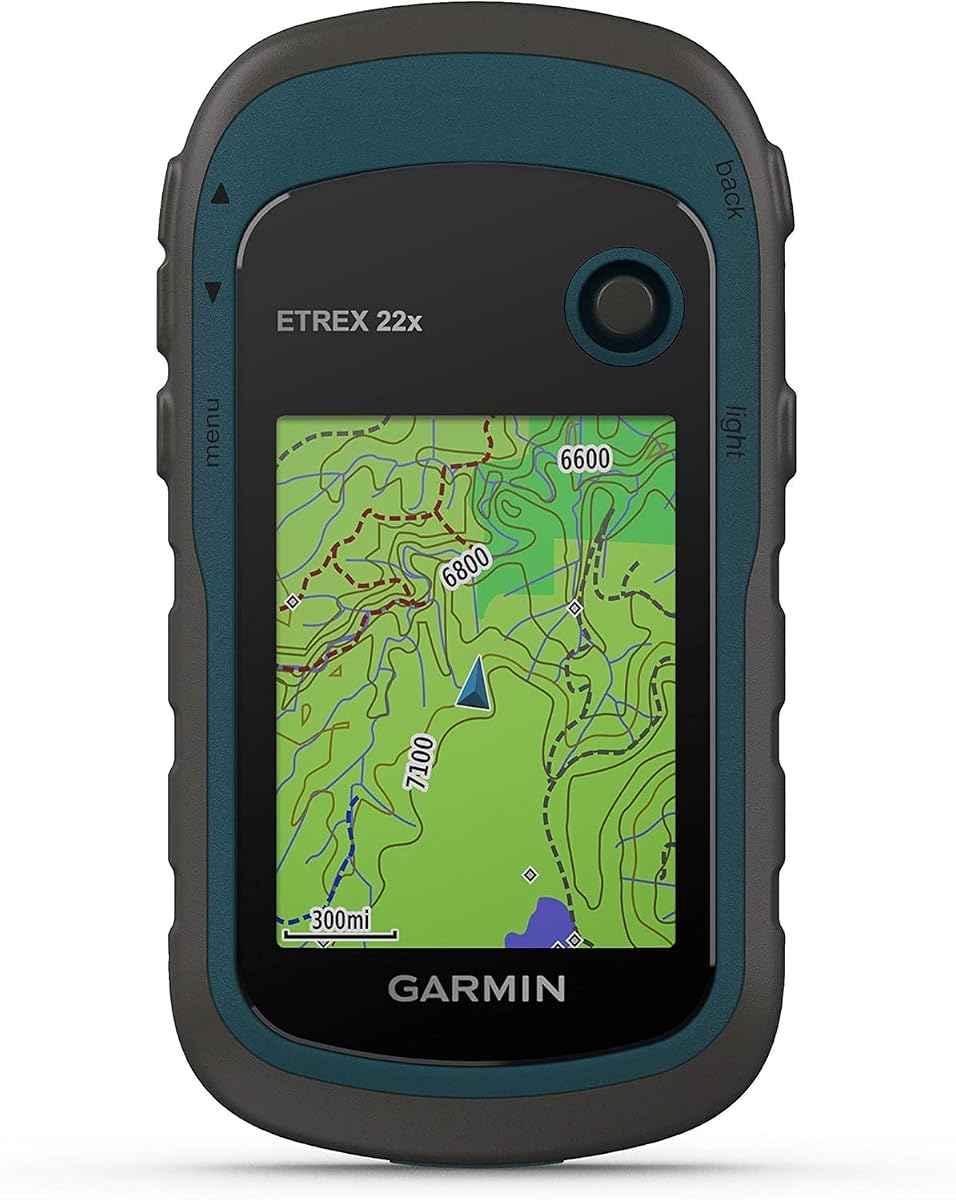
The Garmin eTrex 22x stands out as a top choice for geocaching due to its reliability and clarity. It holds a solid 4.3 rating from users who appreciate its straightforward design and durable build quality for outdoor use.
We may earn a commission when you buy through this link, at no additional cost to you.
Its 2.2 inch color display is readable even in bright sunlight which is critical when navigating dense forest trails. The inclusion of GPS and GLONASS satellite systems ensures you maintain tracking even in challenging environments where signals might otherwise drop out completely.
While the screen size is modest compared to modern smartphones the physical buttons provide precise control when wearing gloves or in wet conditions. The lack of a touchscreen is a trade-off that many outdoor enthusiasts accept for the sake of reliability and battery efficiency.
This unit is perfect for geocachers who need a dependable tool without the complexity of advanced features. Its balance of performance durability and ease of use makes it a strong recommendation for both newcomers and veteran cache hunters.
Support for GPS and GLONASS allows for better signal retention in dense woods or deep canyons where single systems might fail.
With 8 GB internal memory plus a micro SD card slot you can download additional maps for extended trips without worrying about space limits.
We may earn a commission when you buy through this link, at no additional cost to you.
The Garmin eTrex SE offers exceptional value for geocachers looking for longevity and modern connectivity features. With a 4.2 rating it proves that budget-friendly devices can still deliver high performance and essential geocaching capabilities effectively.
We may earn a commission when you buy through this link, at no additional cost to you.
One of its strongest assets is the battery life which lasts up to 168 hours in standard mode. This means you can go on multi-day expeditions without needing to replace batteries often. The Multi-GNSS support adds another layer of reliability for accurate positioning.
However it relies on pairing with a smartphone for detailed mapping via the Garmin Explore app. This requires carrying a phone which some might find inconvenient though it allows for dynamic updates like weather alerts and automatic cache information.
For those prioritizing battery life and cost this is an ideal pick. It balances modern smart features with the ruggedness needed for outdoor use making it a great entry point into dedicated GPS navigation for geocaching.
Expedition mode extends battery life up to 1,800 hours ensuring your device stays powered through the longest outdoor adventures without interruption.
Pairing with smartphones enables active weather updates and seamless caching data sync keeping you informed during your geocaching trips.
We may earn a commission when you buy through this link, at no additional cost to you.
The Garmin GPSMAP 66s brings premium features to the geocaching world with a larger screen and advanced navigation tools. Its 4.0 rating reflects solid performance though some users note the weight difference compared to lighter units.
We may earn a commission when you buy through this link, at no additional cost to you.
The 3 inch color display provides ample space for viewing detailed maps and geocache info at a glance. Access to BirdsEye satellite imagery enhances route planning by showing terrain details without requiring extra data downloads or subscriptions.
Trade-offs include the higher cost and added weight from the advanced sensors like the barometric altimeter. These features are worth it if you prioritize altitude tracking and detailed visual data over portability during long hikes.
This unit suits serious geocachers who want professional-grade navigation tools in a handheld format. It bridges the gap between basic GPS devices and full-featured outdoor computers offering a rich experience for demanding environments.
Direct-to-device downloads of BirdsEye imagery let you see terrain features clearly helping you plan smarter routes to hidden caches.
Active weather updates and animated radar give real-time forecasts so you can adjust your geocaching routes for safety and comfort.
We may earn a commission when you buy through this link, at no additional cost to you.
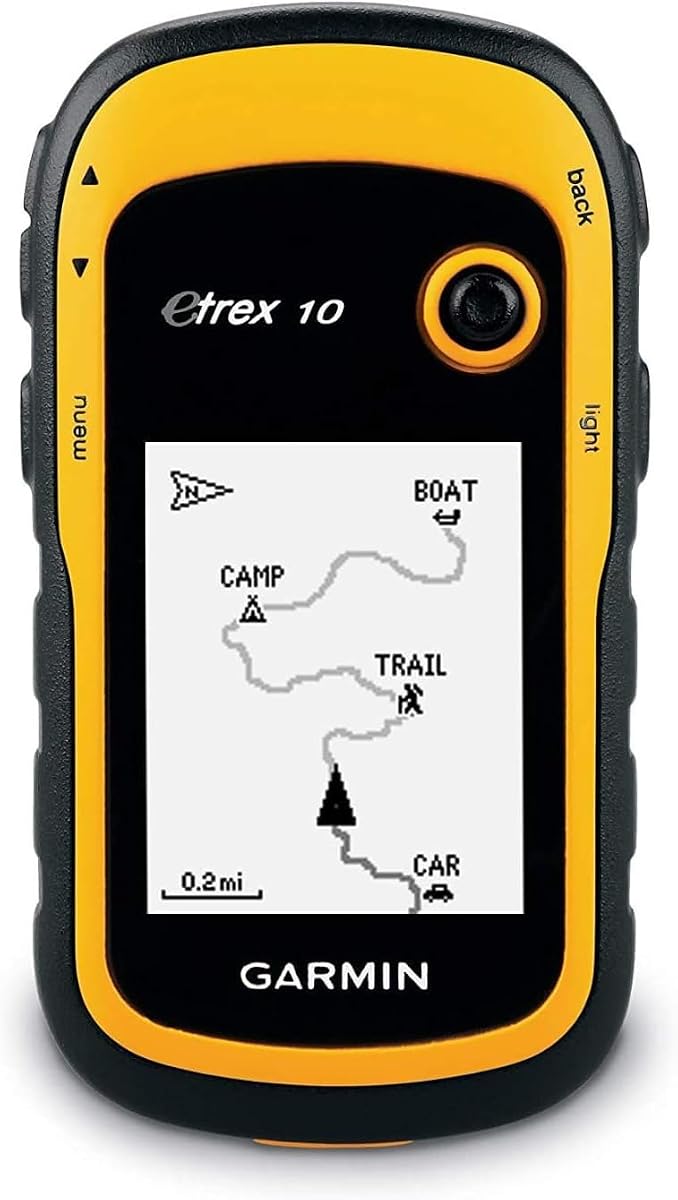
The Garmin eTrex 10 simplifies geocaching with a straightforward interface and essential navigation features. Its 4.3 rating shows users trust it for basic tasks without needing complex menus or high-end specs for regular use.
We may earn a commission when you buy through this link, at no additional cost to you.
It uses a monochrome display which might seem outdated but offers clear visibility in bright sun without draining battery quickly. WAAS enabled GPS ensures accurate positioning quickly so you spend less time waiting for signal lock.
The main limitation is the lack of color maps which can make terrain identification harder in featureless areas. However for those who already know the area or rely on paper maps this device excels at guiding you precisely to coordinates.
Ideal for casual geocachers or as a backup unit this model proves simplicity has value. It handles the core function of GPS navigation well while keeping costs and learning curve low for beginners.
HotFix satellite prediction allows the receiver to calculate position quickly even after being powered off for days in storage.
Supports paperless geocaching formats so you can read cache descriptions on-device without needing a printed sheet or phone.
We may earn a commission when you buy through this link, at no additional cost to you.
This handheld GPS offers a compelling alternative with a larger screen and strong battery performance tailored for outdoor enthusiasts. Its 3.9 rating indicates good functionality though it lacks the extensive ecosystem of larger established brands like Garmin.
We may earn a commission when you buy through this link, at no additional cost to you.
The 3.2 inch sunlight readable screen provides a generous view for tracking routes and reading cache hints. Multi-GNSS support ensures high accuracy within 6 feet which is impressive for this price range and critical for precise cache locations.
While the battery life is a major plus at 36 hours the lack of third-party map support limits customization options. Users are mostly restricted to the preloaded maps which may not suit all regions or terrain types.
It is a great option for those who prioritize screen size and battery life over app flexibility. With its USB-C charging and rugged build it is well suited for dedicated hikers and geocachers needing reliable power.
Multi-GNSS support across GPS GALILEO BEIDOU and QZSS ensures you stay locked on track even in areas with obstructed signals.
Rechargeable battery with standard USB-C cable makes power management easier compared to older models that rely on proprietary chargers.
We may earn a commission when you buy through this link, at no additional cost to you.
The Garmin eTrex 32x builds on the 22x model with added sensors that enhance navigation accuracy and safety. Its 4.2 rating reflects appreciation for these upgrades which make it a robust choice for serious outdoor navigation tasks.
We may earn a commission when you buy through this link, at no additional cost to you.
Key upgrades include a 3-axis compass and barometric altimeter which provide precise heading and altitude data. These features are particularly useful in steep terrain where elevation changes can affect your position and route planning significantly.
The primary trade-off is the higher price compared to the 22x with similar core GPS capabilities. If altitude tracking and compass stability are critical to your geocaching style these extra sensors justify the additional investment comfortably.
This model fits users who need detailed environmental data alongside basic location tracking. It maintains the rugged reliability of the eTrex line while adding professional features for enhanced situational awareness.
Barometric altimeter tracks pressure changes to give real time altitude data which is key for mountainous cache hunts.
Micro SD card slot allows you to load custom maps and detailed region data beyond the standard preloaded options.
We may earn a commission when you buy through this link, at no additional cost to you.
The Oregon 550T combines navigation with photography features allowing you to document finds directly on the device. Its 4.3 rating shows it remains popular for those who value memory capturing alongside accurate location tracking.
We may earn a commission when you buy through this link, at no additional cost to you.
The 3-inch touchscreen offers intuitive map interaction and the 3.2MP camera lets you capture cache sites with geotags. This integration of media tools makes it a versatile companion for adventure storytelling and logbook entries.
However it is an older model with shorter battery life compared to newer devices. The reliance on a rechargeable battery may require extra planning for long trips where swapping AA batteries is more convenient.
Ideal for geocachers who want a touchscreen experience and built-in camera this unit offers a unique blend of tools. It balances navigation needs with creative documentation for a richer outdoor experience overall.
Capture geotagged photos directly on the device so your cache memories are automatically linked to their exact locations.
Tough color touchscreen allows quick map zooming and waypoint selection with finger taps instead of button pressing.
We may earn a commission when you buy through this link, at no additional cost to you.
The Montana 680 brings professional-level features to geocaching with an 8-megapixel camera and massive cache storage. Its 4.1 rating reflects strong performance for those who need advanced tools for complex navigation and documentation tasks.
We may earn a commission when you buy through this link, at no additional cost to you.
Preloaded with 250,000 geocaches it saves time by offering immediate access to caches without manual input. The high-resolution camera ensures detailed images of finds which can be crucial for logging complex or historic sites.
Trade-offs include the weight and size which may be cumbersome for long hikes. Also the BirdsEye subscription adds ongoing costs that might not fit every budget or usage pattern effectively or consistently.
This device is best for serious adventurers who prioritize camera quality and data features. It serves as a comprehensive navigation solution for those willing to carry a heavier unit for premium capabilities.
Access to 250,000 preloaded caches means you can start exploring immediately without spending time uploading data manually.
Organize waypoints and track logs easily to review your path and plan future routes based on previous outdoor journeys.
We may earn a commission when you buy through this link, at no additional cost to you.
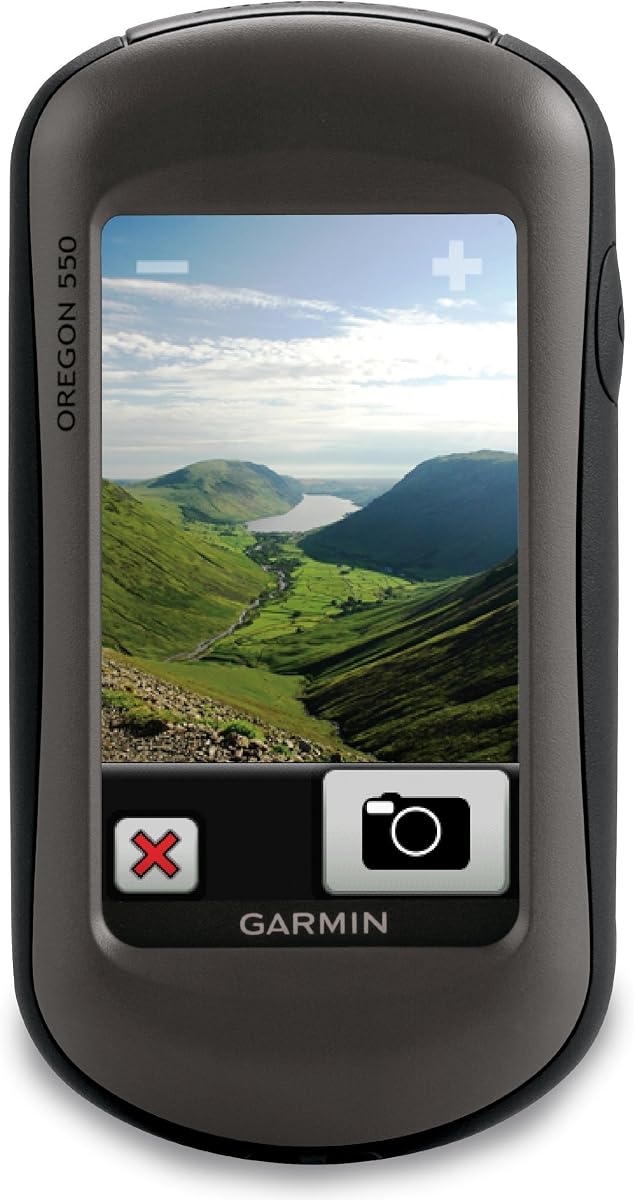
The Oregon 550 is a classic option that balances touchscreen convenience with reliable GPS performance for everyday use. Its 4.0 rating indicates solid trust from users who appreciate its straightforward approach to navigation.
We may earn a commission when you buy through this link, at no additional cost to you.
The tilt-compensated compass provides accurate heading even when you are moving or on uneven ground. This feature enhances reliability during geocaching when precise direction is necessary to locate hidden caches accurately.
Battery life is a concern since touchscreens consume power faster than button-driven displays. Users may need to carry spare batteries or limit screen time to ensure the device lasts through the day.
Best for those who prefer touch controls over buttons this unit offers a proven track record. It remains a viable choice for geocachers who value ease of use and durability in a waterproof package.
Tilt-compensated technology ensures your heading stays correct regardless of device angle so you never lose direction.
Designed to withstand rain and splashes it protects internal components so you can use it in any weather safely.
We may earn a commission when you buy through this link, at no additional cost to you.
The Oregon 200 offers a compact touchscreen solution for those who want portability without sacrificing basic mapping features. Its 3.2 rating suggests users find it functional but note limitations in durability and battery compared to newer models.
We may earn a commission when you buy through this link, at no additional cost to you.
With five user profiles it can adapt to different activities such as fitness recreation or geocaching. The worldwide basemap provides immediate context for location tracking without needing to download data before your trip.
The main downside is the shorter battery life which may require frequent recharging on longer trips. This limits its suitability for multi-day expeditions where power independence is crucial for safety and convenience.
Best for casual short-term geocaching this device serves well for quick outings. It is an affordable entry into touchscreen GPS devices with enough features to handle basic cache finding tasks effectively.
Five profile options let you switch between settings tailored to fitness marine automotive or geocaching needs easily.
Built-in worldwide basemap ensures you have basic terrain data available instantly for navigation anywhere in the world.
We may earn a commission when you buy through this link, at no additional cost to you.
Selecting the right device requires understanding which features align with your typical geocaching environment and style.
A clear display is essential for reading map coordinates and cache hints while outdoors. Color displays offer better terrain visualization while monochrome screens are easier to read in direct sunlight. Screen size affects readability with larger screens being easier to view but adding weight and bulk.
Look for sunlight-readable screens between 2.2 to 3 inches for optimal balance between visibility and portability.
Battery life determines how long you can search for caches without needing recharges. Some units use AA batteries which are easy to replace in the field while others use internal rechargeable batteries. Longer battery life supports multi-day hikes where power sources may be unavailable.
Choose AA batteries for replacement flexibility or rechargeable batteries for cost savings and convenience depending on your trip length.
Multi-GNSS support like GPS GLONASS and Galileo improves accuracy in difficult terrain such as forests or canyons. Systems with only GPS might struggle in heavy cover leading to signal loss. More satellite options mean faster lock-on and more consistent tracking.
Prioritize devices with multiple satellite system support to ensure reliable positioning in challenging environments.
Geocaching often involves rough terrain and unpredictable weather so durability is key. Look for IPX7 or higher waterproof ratings to protect against rain and splashes. Rugged construction ensures the device survives drops and vibrations during outdoor travel.
Select models with high IP ratings and tough casing to withstand harsh outdoor conditions and accidental damage.
Detailed maps help you navigate routes accurately to cache locations. Internal memory and micro SD slots allow you to download maps for specific regions. Some devices offer BirdsEye imagery for satellite views which adds valuable context for difficult areas.
Check internal memory size and expandability to ensure you can store detailed maps for your frequent geocaching areas.
Barometric altimeters and 3-axis compasses provide altitude and heading data even when stationary. These sensors are vital for mountainous areas where elevation changes impact navigation. Advanced users appreciate this extra data for precise route planning.
Include devices with altimeters and compasses if you frequently navigate terrain with significant elevation changes.
Modern devices often pair with smartphones for updates and notifications. Wireless connectivity allows for seamless geocache info synchronization. This smart integration saves time and keeps your device current with new cache data.
Opt for models with Bluetooth or Wi-Fi connectivity if you want dynamic data updates during your geocaching trips.
Interfaces vary from simple menus to touchscreens. Physical buttons are reliable in cold weather or gloves while touchscreens offer intuitive navigation. Choose based on your comfort level and the conditions where you typically hunt for caches.
Balance interface type with your usage conditions to ensure you can operate the device effectively in any situation.
To get started ensure you have a clear view of the sky to acquire satellite signals. Allow the device to warm up and lock on to satellites before beginning your search for the cache.
Enter the geocache coordinates or use the Geocaching Live feature to access cache details. Navigate using the arrow guidance and compass display to approach the location accurately.
After finding the cache log your find and take photos if your device supports it. Store the GPS unit in a dry safe place when not in use to prolong battery and electronic life.
Yes handheld GPS units offer superior reliability compared to smartphones especially in remote areas with poor cellular coverage. They are designed specifically for outdoor durability and battery longevity which ensures you can complete long hunts without interruptions.
Most modern devices allow you to connect to a smartphone via the Garmin Explore app or use a computer to sync data. This ensures you have the latest cache details logs and hints ready before you head out into the field.
Yes GPS devices are built to work in cold conditions but battery life may decrease significantly in extreme cold. Keep the device warm in an inner pocket and consider using lithium batteries which perform better in freezing temperatures.
Some devices come with preloaded maps while others may require subscriptions for detailed satellite imagery. Check the product details to understand what maps are included and what might require additional purchase before your trip.
Modern handheld GPS units with Multi-GNSS support can achieve accuracy within 3 to 6 feet. This level of precision is sufficient for finding caches in most environments without needing additional navigation tools or apps.
For AA battery models replace batteries when the device indicates low power to avoid sudden shutdowns. For rechargeable units charge before each major trip and consider carrying a spare battery for extended outdoor adventures.
Absolutely most handheld GPS devices support multiple activities including hiking camping and geocaching. They offer features like track logs and waypoint management that benefit all types of outdoor navigation tasks equally well.
For beginners the Garmin eTrex 10 or eTrex 22x offer simple interfaces and reliable performance without overwhelming features. These units provide core functionality that makes learning the basics of geocaching easy and enjoyable for new users.
We reviewed ten top handheld GPS units ranging from budget-friendly options to premium devices with advanced features. The eTrex 22x leads as the best overall for its balance of reliability and ease of use.
Consider your budget and typical terrain when selecting a device. Prioritize battery life and waterproofing for long hikes while touchscreen users might prefer models like the Oregon series for intuitive map control.
Prices and availability may change so always verify current listings on the product pages before purchase. Choose the unit that best fits your geocaching style for a rewarding outdoor experience.