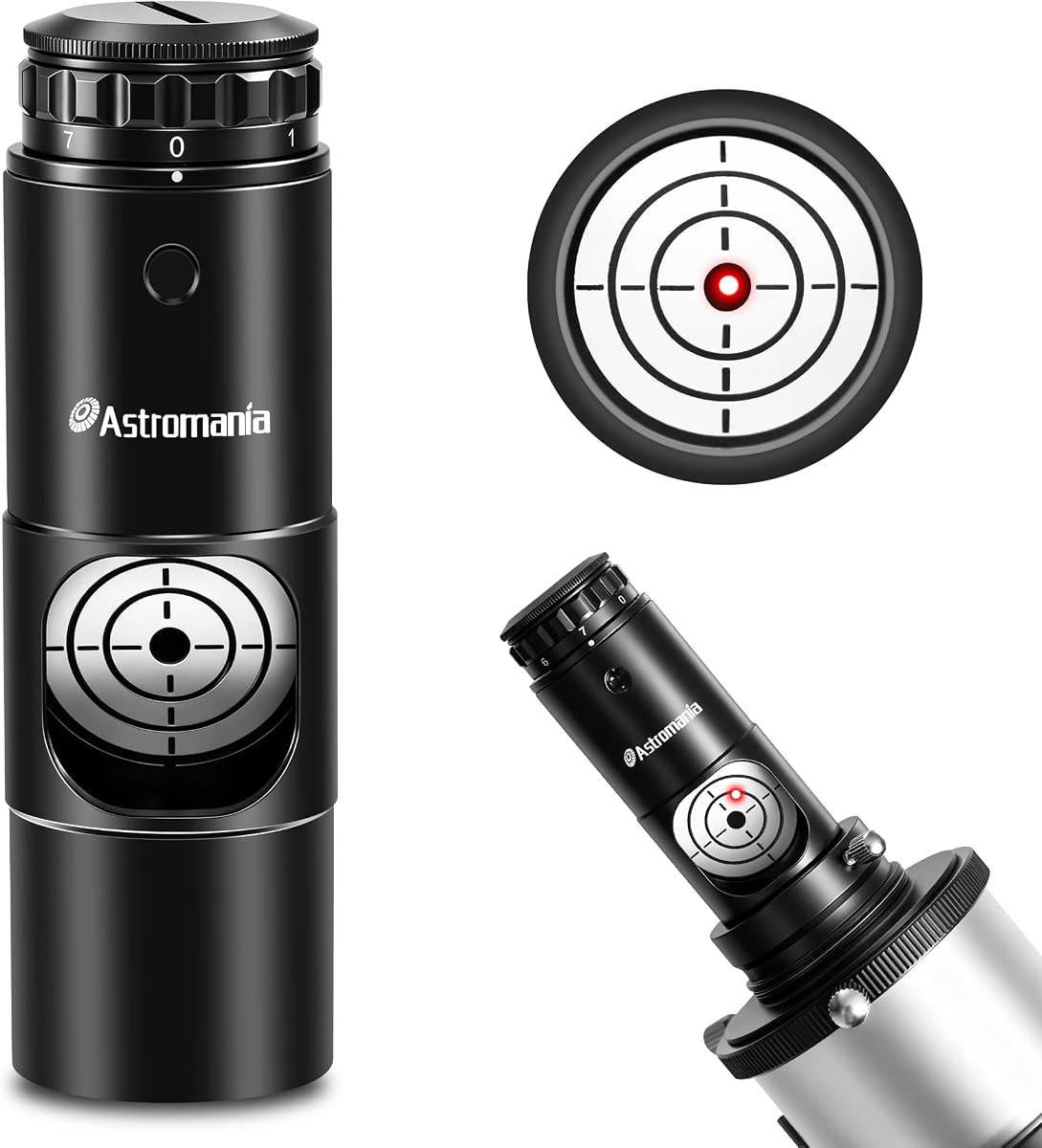
Astromania Laser Collimator 1.25"
4.5Editor score
Fits 1.25 inch focusers
Seven brightness levels adjustable
Durable metal construction
Achieving sharp astronomical images requires precise optical alignment. A laser collimator for telescope alignment ensures your mirrors work together perfectly for clear views.
We evaluated ten top-rated models based on build quality, beam accuracy, ease of use, and adapter compatibility for various telescope focusers.
Each pick highlights key features and performance traits. Note that product prices and availability may change frequently online so verify current listings.
4.5Editor score
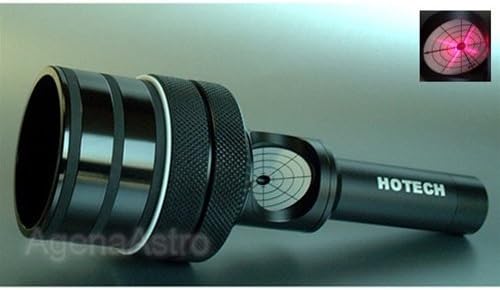
4.7Editor score

As an Amazon Associate we earn from qualifying purchases.
The following table provides a side-by-side overview of all ten models analyzed in this guide. Compare their core specifications to find the right fit for your telescope setup.


The HoTech SCA Laser Collimator stands out as the premium choice for serious astronomers seeking absolute precision. With a 4.7 rating, it addresses the common issue of adapter slop found in other models.
We may earn a commission when you buy through this link, at no additional cost to you.
Its patented self-centering adapter technology ensures the laser beam stays perfectly aligned with your optical axis. This makes collimation repeatable and reliable across different telescope brands.
The main trade-off is the higher cost and the need for a specific CR123 battery. However, for those needing consistent results for astrophotography or high-power viewing, this investment pays off.
Buy this if you prioritize accuracy above all else and own a variety of telescope setups. It is the ultimate tool for eliminating guesswork in your alignment process.
The self-centering mechanism ensures the laser stays centered without wobble, delivering consistent results every time.
This unit works with both 1.25 and 2 inch focusers as well as SCT telescopes, making it highly versatile.
We may earn a commission when you buy through this link, at no additional cost to you.
The Astromania 1.25 inch Laser Collimator offers excellent value for beginners and casual observers. With a 4.5 rating, it provides reliable performance at an accessible price.
We may earn a commission when you buy through this link, at no additional cost to you.
Its metal construction ensures durability while the adjustable brightness levels help visibility in various light conditions. It simplifies the collimation process significantly for new users.
The limitation is that it only fits 1.25 inch focusers and lacks advanced self-centering features. However, for standard Newtonian setups, it delivers clear images effectively.
Choose this if you need a straightforward, cost-effective tool for basic alignment. It is perfect for getting started with precise optics without breaking the budget.
Delivers reliable collimation results at a fraction of the cost of premium units.
Simple layout with intuitive controls allows for quick setup and use during observation sessions.
We may earn a commission when you buy through this link, at no additional cost to you.
The Ocal Pro V4.0 redefines alignment with its electronic interface and smartphone connectivity. Designed for Newtonian and Schmidt Cassegrain scopes, it offers factory pixel-level accuracy.
We may earn a commission when you buy through this link, at no additional cost to you.
Its built-in software guides adjustments via calibration circles on your mobile device. This digital approach reduces human error and speeds up the alignment process significantly.
The main downsides are the high price and the reliance on digital technology. However, for tech-savvy astronomers seeking modern tools, it provides unmatched precision.
Buy this if you want cutting-edge technology to streamline your workflow. It is ideal for those who prefer digital feedback over traditional laser methods.
Software-guided calibration circles enable quick adjustments with factory-centered pixel-level accuracy for optimal results.
All-in-one design allows for complete collimation functionality on-the-go, perfect for field adjustments.
We may earn a commission when you buy through this link, at no additional cost to you.
The Astromania 1.25/2 inch Laser Collimator combines versatility with value. Its removable adapter lets you use it on both standard and larger focusers seamlessly.
We may earn a commission when you buy through this link, at no additional cost to you.
The adjustable brightness beam helps you see clearly in different environments. This tool simplifies alignment for Newtonian telescopes of various sizes.
It does not match the precision of high-end self-centering units but performs reliably for most users. The inclusion of a 2-inch adapter is a significant plus.
Opt for this if you need one tool for multiple telescope types. It is a solid all-rounder for casual and intermediate astronomers.
Removable 2 inch adapter allows compatibility with various focusers, making it a flexible choice for diverse setups.
Seven brightness levels ensure you can find the perfect intensity for your specific observing environment.
We may earn a commission when you buy through this link, at no additional cost to you.
SVBONY Laser Collimator brings reliable performance with its triple cemented lens for stable red dots. It fits both 1.25 and 2 inch systems without hassle.
We may earn a commission when you buy through this link, at no additional cost to you.
Its adjustable brightness adapts to any lighting condition while the metal body ensures durability. This model is excellent for quick daily checks.
It may not offer the highest precision compared to top-tier units but is sufficient for most visual observers. The adapter inclusion adds significant value.
Choose this if you need a practical, no-fuss tool. It is a great gift for beginners entering the world of reflector telescopes.
Triple cemented lens improves red dot stability for more consistent collimation readings.
Works with both 1.25 and 2 inch focusers, so you do not need separate tools for upgrades.
We may earn a commission when you buy through this link, at no additional cost to you.
The Alstar Laser Collimator is a compact option designed specifically for 1.25 inch focusers. It offers precise alignment in minutes for Newtonian scopes.
We may earn a commission when you buy through this link, at no additional cost to you.
Features include a side viewing window and adjustable brightness. This helps you see beam reflection clearly for accurate adjustments.
While battery is not included, the metal construction ensures longevity. It is a straightforward tool without unnecessary bells and whistles.
Select this if you have a standard setup and need simplicity. It delivers consistent results for those focusing purely on optical clarity.
A side window allows you to see if the laser reflects back on itself for accurate alignment.
Seven brightness levels mean you can adjust the beam to match your specific observing environment.
We may earn a commission when you buy through this link, at no additional cost to you.
Alstar Laser Collimator combines standard features with a robust metal body. It fits both 1.25 and 2 inch focusers with the included adapter.
We may earn a commission when you buy through this link, at no additional cost to you.
The adjustable brightness helps in different light conditions making it easier to spot alignment issues. It works well for Newtonian and reflector telescopes.
Though its rating is slightly lower than others it still offers reliable performance. The durable build ensures it withstands regular field use.
Buy this if you need a universal tool at a reasonable cost. It is a practical choice for those who want flexibility without high expense.
Works with all standard 1.25 inch focusers and reflector telescopes ensuring broad compatibility.
Built with premium metal materials for enhanced durability and stability during regular use.
We may earn a commission when you buy through this link, at no additional cost to you.
This SVBONY bundle pairs a laser collimator with a 62 degree eyepiece offering dual utility. The collimator is ideal for 1.25 inch Newtonian setups.
We may earn a commission when you buy through this link, at no additional cost to you.
The eyepiece adds value by providing a wide field of view for observing. This makes the package great for those needing both tools.
The laser unit itself is standard with adjustable brightness and metal construction. However the eyepiece quality depends on expectations.
Choose this if you want an all-in-one kit for observation and alignment. It is perfect for beginners looking to maximize value.
The SVBONY 62 degree aspheric eyepiece gets maximum detail and definition across the entire field of view.
The laser allows anyone to easily collimate telescopes with a removable 2 inch adapter.
We may earn a commission when you buy through this link, at no additional cost to you.
This SVBONY bundle adds a phone adapter allowing you to capture images through the telescope. The laser helps ensure alignment before imaging sessions.
We may earn a commission when you buy through this link, at no additional cost to you.
The adapter works with many smartphones and eyepieces making astrophotography easier. The collimator provides the necessary brightness for adjustments.
While laser is standard the imaging accessory is a key feature. This combination appeals to those wanting to document their views.
Buy this if you are interested in astrophotography. It offers a practical entry into capturing celestial images.
Fits eyepiece diameter from 25 to 48mm and works with most major phone brands for mobile imaging.
Adjustable locking mechanism with steel bolt and EVA pads protects your device during use.
We may earn a commission when you buy through this link, at no additional cost to you.
This bundle combines a laser collimator with a precision Cheshire eyepiece offering two methods of alignment. It fits 1.25 inch focusers well.
We may earn a commission when you buy through this link, at no additional cost to you.
The Cheshire tool requires no batteries and allows daytime adjustments. The laser provides fast nighttime checks for your Newtonian telescope.
Using both tools ensures maximum accuracy by cross-referencing results. This makes it a robust choice for serious users.
Opt for this if you want thorough alignment options. It is ideal for those who value precision and redundancy.
The Cheshire eyepiece fits for Newtonian and SCT reflector telescopes useful for aligning optics very accurately.
The laser works in dark and day while the Cheshire works during the day for precise adjustments.
We may earn a commission when you buy through this link, at no additional cost to you.
Selecting the right laser collimator depends on your telescope size, budget, and accuracy needs. Here are key factors to consider.
Ensure the collimator fits your focuser. Most standard models fit 1.25 inch while some include adapters for 2 inch.
Look for removable adapters if you plan to upgrade your eyepiece barrel.
High-quality collimators use precision optics to maintain a tight beam. This ensures accurate readings without wobble.
Models with self-centering technology offer the highest level of beam consistency.
Adjustable brightness helps visibility in various environments. Look for models with at least 5 to 7 levels.
Adjustable beam allows use in bright rooms and dark skies alike.
Metal bodies resist damage better than plastic. Anodized aluminum adds durability and weather resistance.
Metal construction ensures your tool survives travel to dark sky sites.
Check battery requirements. Common CR2032 cells are easy to find while some use CR123.
Models including a battery save immediate hassle after purchase.
Ensure laser safety class compliance. Most safe units are Class 3R or lower with safe output power.
Class 3R lasers are generally safe for accidental exposure but avoid direct eye viewing.
Some bundles include eyepieces or phone adapters for imaging. Decide if you need these extras.
A Cheshire eyepiece can complement a laser for thorough dual-method alignment.
Clear step-by-step guides are essential for beginners. Look for multilingual manuals with diagrams.
Good instructions simplify the learning curve for new telescope owners.
Insert the collimator into your focuser tightly. If using a 2-inch adapter, secure it with the locking screw.
Turn on the laser and adjust brightness until visible. Look through the side window or at the primary mirror to observe the beam.
Adjust mirror screws until the beam returns to the center of the hole. Store in a dry case and avoid dropping to maintain calibration.
Collimation ensures mirrors align correctly for sharp images. Misalignment causes blurry or distorted views especially at high magnifications.
Lasers work best on Newtonians and reflectors. Refractors do not require collimation as mirrors are fixed.
Check alignment monthly or after transport. Vibrations from moving the scope can throw off mirror alignment.
It keeps the laser centered without wobble. This improves accuracy by eliminating slop between collimator and focuser.
Most are Class 3R with safe power levels. Avoid staring directly into the beam to prevent eye damage.
A Cheshire helps verify results. It is useful for checking alignment during the day or for secondary verification.
Yes many collimators fit SCTs. However check compatibility for specific corrector plate and focuser sizes.
From the budget-friendly Astromania to the precision HoTech, each option serves different needs. The top three picks balance price and performance for most users.
Prioritize build quality and beam stability for reliable results. Consider your telescope size and whether extra tools like phone adapters add value.
Verify current prices and availability as stock may change. Investing in the right collimator ensures you enjoy crisp star views and clear views.