
Smart Watch Fitness Tracker
4.2Editor score
120+ sports modes
IP68 waterproof rating
24/7 health monitoring
Finding the right fitness tracker for tennis players requires more than just step counting. You need precise heart rate data, durable construction to withstand racquet swings, and accurate motion tracking to analyze your gameplay performance effectively.
We compared ten leading devices based on sensor accuracy, battery longevity, and compatibility with mobile apps. Our analysis focuses on features that matter most to athletes who demand reliability during intense matches and daily training routines.
Each pick highlights specific strengths like GPS precision or sleep tracking. Note that pricing fluctuates frequently due to sales and inventory changes. Always verify current costs before purchasing to ensure you get the best value for your investment.
4.2Editor score

4.2Editor score

4.3Editor score
As an Amazon Associate we earn from qualifying purchases.
This side-by-side comparison evaluates the core specifications of all ten selected fitness trackers. We examine battery performance, display quality, and sport mode variety to help you identify the device that best aligns with your athletic needs.


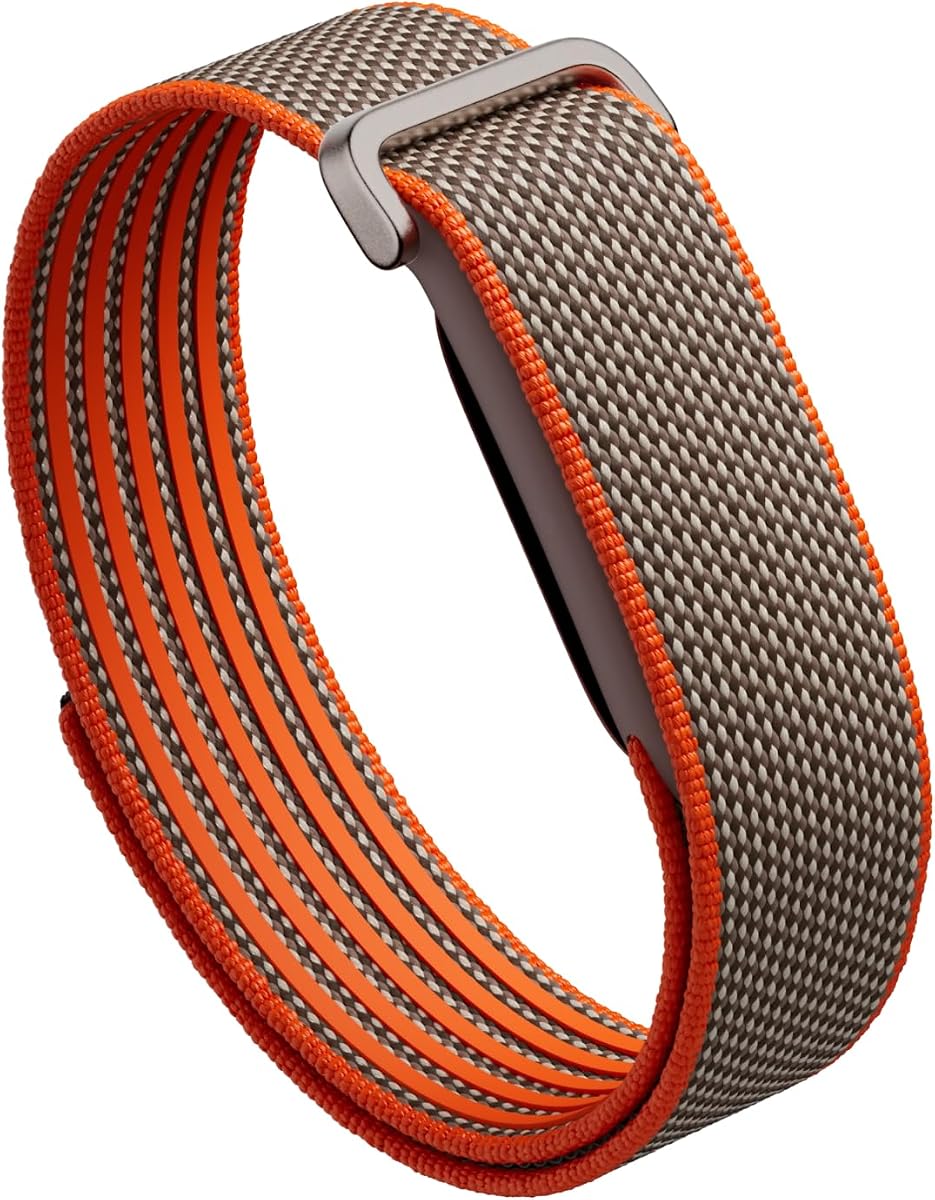


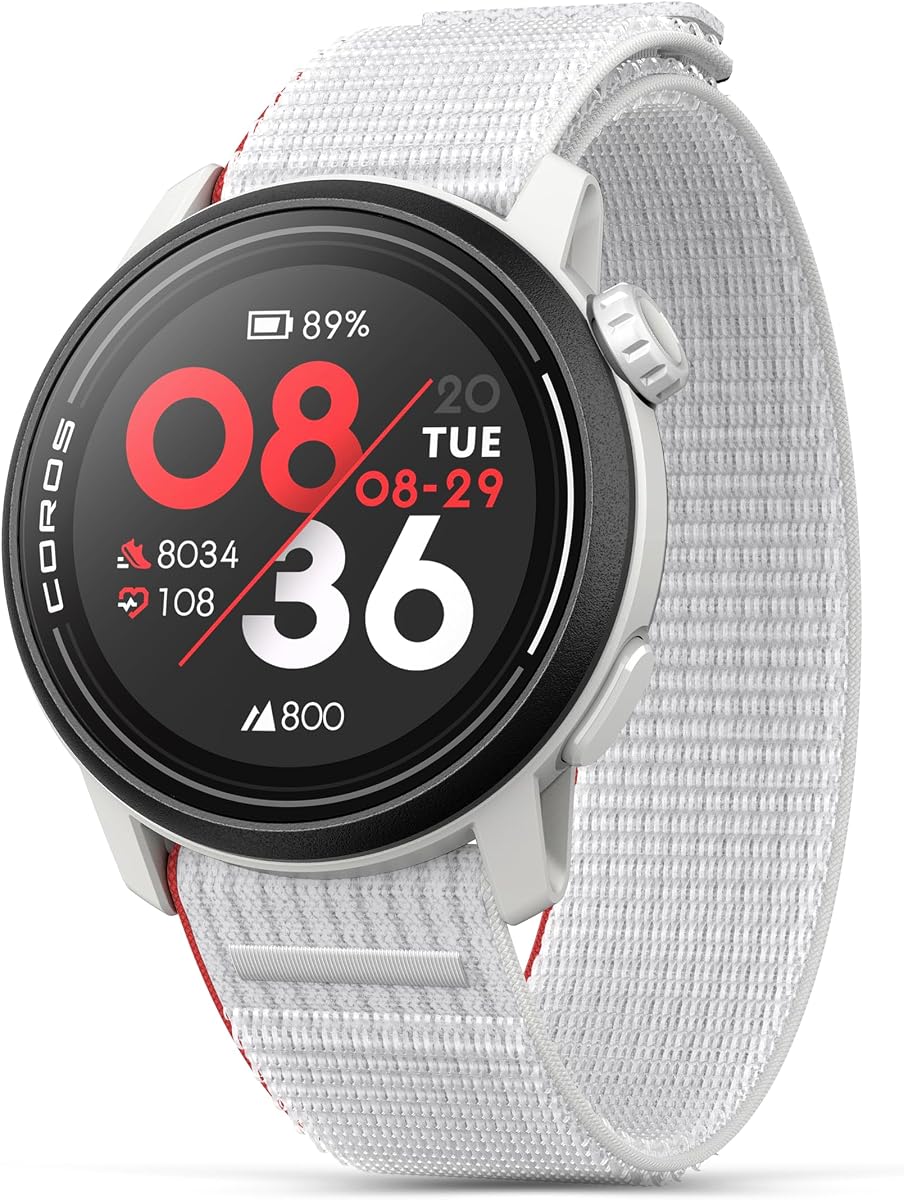

This Smart Watch Fitness Tracker offers an accessible entry point into serious athletic monitoring. With a rating of 4.2 stars, users appreciate its balance of cost and functionality. The standout quality is its extensive library of over 120 sports modes, ensuring tennis and other activities are tracked effectively.
We may earn a commission when you buy through this link, at no additional cost to you.
The device excels in health monitoring, featuring 24/7 heart rate and blood oxygen tracking. Its always-on display allows quick glances during matches without lifting your wrist. The intuitive full touch controls make navigation seamless, while the side button offers a tactile alternative for adjustments mid-play.
Trade-offs include reliance on smartphone GPS for route mapping and standard plastic materials. These are acceptable given the budget-friendly positioning. The IP68 waterproof rating ensures durability against sweat and rain, making it suitable for intense outdoor sessions.
Athletes seeking a versatile, low-cost tracker will find this device meets daily needs. It is recommended for those who prioritize activity tracking over advanced navigation. For the price, it delivers robust performance for tennis players monitoring their fitness journey.
The 120+ exercise modes cover almost all daily sports activities, providing advanced metrics for workout performance and progress tracking.
Real-time health metrics like heart rate and blood oxygen can be checked anytime, helping you understand your physical condition during training.
We may earn a commission when you buy through this link, at no additional cost to you.
The Google Fitbit Inspire 3 is designed to help you find your energy and do what you love. With a 4.2 star rating, it is praised for motivating daily activity through features like Active Zone Minutes. Its strength lies in holistic wellness tracking rather than just sport metrics.
We may earn a commission when you buy through this link, at no additional cost to you.
Key strengths include the Daily Readiness Score which helps plan workouts based on recovery. Stress management tools like breathing sessions complement high-intensity tennis training. Sleep tracking provides a detailed Sleep Score to ensure rest supports performance goals effectively.
However, it lacks built-in GPS requiring phone connection for maps. Some advanced insights require a subscription. These limitations are reasonable for a focus on general wellness and stress reduction rather than pure athletic performance metrics.
This tracker suits tennis players prioritizing overall health and stress management alongside fitness. It is ideal for those who want guidance on when to push hard versus rest. Consider it if you value balanced wellness features over specialized sport tracking.
Stay motivated with the Daily Readiness Score, which evaluates your recovery to guide your daily activity and training intensity.
Keep an eye on your well-being with a daily Stress Management Score and mindfulness sessions to help you relax effectively.
We may earn a commission when you buy through this link, at no additional cost to you.
Google Fitbit Charge 6 stands out for its built-in GPS and Google integration. Rated 4.0 stars, it tracks key metrics like calories and Active Zone Minutes accurately. Its primary advantage is the ability to navigate routes using Google Maps directly on the device.
We may earn a commission when you buy through this link, at no additional cost to you.
Strengths include turn-by-turn directions for outdoor runs and rides which helps track court side paths. Stress management score tracks body response to workouts while YouTube Music controls keep you entertained. The Smart Wake alarm helps you wake up naturally after rest.
Trade-offs involve a subscription for premium coaching features and moderate battery life. These are acceptable for the navigation convenience offered. The device is well-suited for players who mix tennis with running or outdoor fitness routines requiring maps.
This model is recommended for athletes who want seamless navigation alongside fitness tracking. It is best if you rely on Google services and want a compact tracker with robust GPS. Choose this for its balance of features and everyday usability.
Use built-in GPS to track your route and see heart rate in real time during exercise machines or outdoor runs and rides.
Find your way seamlessly with turn-by-turn directions from Google Maps on your wrist for runs or outdoor activities.
We may earn a commission when you buy through this link, at no additional cost to you.
The Google Fitbit Air Special Edition is designed for those who want a screenless experience. Rated 4.3 stars, it moves seamlessly from workout band to sleep band. Its standout quality is the lightweight design that sits comfortably and quietly on your wrist.
We may earn a commission when you buy through this link, at no additional cost to you.
Key strengths include a water resistant coating making it sweatproof and moisture-wicking for tough workouts. Advanced sensors power precise health tracking 24/7 without a distracting display. The fast charging feature provides a day of battery life in just five minutes.
Trade-offs include no screen to view real-time data during play. This is acceptable if you prioritize style and comfort over immediate stats. The micro-adjustable fit ensures it stays secure during vigorous movement and tennis swings.
This tracker is best for users who value discretion and long battery life. It is ideal for tennis players who do not want notifications distracting them during matches. Consider it if you prefer a minimalistic look that fits any occasion.
With no screen to distract you, your tracker moves seamlessly from bracelet to workout band to sleep band for any occasion.
The lightweight micro-adjustable fit sits comfortably and quietly so you can wear it through work play and sleep.
We may earn a commission when you buy through this link, at no additional cost to you.
WHOOP 5.0/MG is a screenless wearable focused entirely on health and performance. With a 4.2 star rating, it is trusted by world-class athletes for accurate insights. Its standout quality is the 14+ day battery life allowing uninterrupted 24/7 wear.
We may earn a commission when you buy through this link, at no additional cost to you.
Key strengths include personalized Strain Recovery and Sleep insights that adapt to your changing body. The journal helps you understand how daily habits impact recovery. The screenless design ensures no buzzing notifications disrupt focus during intense tennis training sessions.
Trade-offs involve a mandatory membership subscription and higher total cost. These are acceptable for the depth of coaching and scientific accuracy provided. The waterproof Wireless PowerPack allows on-the-go charging without removing the device.
This tracker is best for serious athletes prioritizing recovery data over standard metrics. It is ideal for those seeking scientific guidance to extend prime years. Choose this if you want elite-level performance tracking tailored to your physiology.
WHOOP AI analyzes over 140 metrics to give specific guidance on optimal sleep targets and ideal strain goals.
Track Strain and Recovery metrics along with Sleep and heart rate insights to make better decisions about training.
We may earn a commission when you buy through this link, at no additional cost to you.
TROTY Fitness Tracker offers a compact design with a bright AMOLED touchscreen. Rated 4.7 stars, it is praised for health monitoring capabilities like real-time dynamic heart rate. Its standout quality is the combination of clarity and affordability for daily tracking.
We may earn a commission when you buy through this link, at no additional cost to you.
Key strengths include 25 sport modes for recording sports data and sleep quality analysis. The watch tracks daily activity like steps and distance efficiently. Notifications keep you informed of calls and messages without needing to check your phone during breaks.
Trade-offs include basic app integration and limited GPS features relying on phone connection. These are acceptable for a budget device focused on general wellness. The skin-friendly straps ensure comfort during extended wear on the court.
This tracker is best for casual players seeking a reliable activity monitor. It is ideal for those who want visual clarity without high cost. Choose this for its high user satisfaction and essential health tracking features.
Monitors sleep and analyzes quality through Deep Sleep Light Sleep and Awake stages to give a nightly sleep score.
Select any number of sports modes in the app as your exclusive mode to record your sports data accurately.
We may earn a commission when you buy through this link, at no additional cost to you.
Garmin vívoactive 5 combines a bright AMOLED display with extensive health monitoring. With 4.3 stars, it offers personalized insights based on sleep and stress. Its standout quality is Body Battery energy monitoring helping you understand when to rest.
We may earn a commission when you buy through this link, at no additional cost to you.
Key strengths include sleep score coaching with HRV status to improve health. More than 30 built-in GPS sports apps cover walking running cycling and golf. Download favorite music to your watch and connect with wireless headphones for phone-free listening.
Trade-offs involve a higher price point and potential subscription needs for music. These are acceptable for the depth of health features. The automatic nap detection provides personalized insights on how naps affect your energy levels.
This model is best for athletes wanting deep wellness insights alongside sport tracking. It is ideal for those who value long battery life and sleep coaching. Choose this for its balance of advanced features and reliable performance.
Body Battery energy monitoring helps you understand when you are charged up or need to rest based on sleep and workouts.
Get a sleep score and personalized sleep coaching for how much sleep you need plus tips on how to improve.
We may earn a commission when you buy through this link, at no additional cost to you.
Amazfit Active Max features a large 1.5 inch ultra-bright AMOLED display for clarity. Rated 4.5 stars, it is designed for visibility in harsh sunlight. Its standout quality is the 25 day battery life ensuring uninterrupted tracking during long trips.
We may earn a commission when you buy through this link, at no additional cost to you.
Key strengths include 170+ workout modes and 4GB of onboard storage for music. Built-in positioning with five satellite systems ensures fast accurate tracking everywhere. Zepp Coach offers personalized AI-driven workout plans adapting to your performance and recovery needs.
Trade-offs include Bluetooth call limitations requiring Android phones for hands-free messaging. These are acceptable for the endurance and storage provided. Offline maps mean you do not need a signal to navigate off-trail.
This tracker is best for endurance athletes needing reliable maps and battery life. It is ideal for those who want to carry music without a phone. Choose this for its exceptional battery performance and high-visibility screen.
With up to 25 days of battery, the Active Max smart watch keeps up with your routine day and night reliably.
Download terrain and ski maps directly to your watch for offline navigation so no signal is needed.
We may earn a commission when you buy through this link, at no additional cost to you.
COROS PACE 3 is an ultra-slim sports watch designed for distraction-free comfort. With 4.2 stars, it is favored by runners for its featherweight design. Its standout quality is the Dual-Frequency satellite chipset keeping GPS tracks accurate even in cities.
We may earn a commission when you buy through this link, at no additional cost to you.
Key strengths include 38 hours of continuous GPS tracking and 24 days of daily use. Route planner allows you to build custom routes and sync navigation directly to the watch. Activity modes like run bike swim and strength are optimized for goals.
Trade-offs include limited smart features and a standard nylon band. These are acceptable for the focus on sport tracking accuracy. The breadcrumb navigation helps you stay on track without losing sight of activity data.
This watch is best for athletes prioritizing GPS precision and weight. It is ideal for those who want offline navigation on wrist. Choose this for its durability and reliable performance in varied conditions.
Built with a redesigned Dual-Frequency satellite chipset, it keeps GPS tracks accurate even in high-rise cities.
Easily build custom routes or search for a destination on the app and sync navigation directly to your watch.
We may earn a commission when you buy through this link, at no additional cost to you.
Garmin Forerunner 165 is an easy-to-use running smartwatch with a brilliant AMOLED display. With 4.6 stars, it offers personalized daily suggested workouts. Its standout quality is the morning report providing an overview of sleep and training outlook.
We may earn a commission when you buy through this link, at no additional cost to you.
Key strengths include training effect labels showing how workouts impact fitness. Safety features like incident detection send live location to emergency contacts. The 25+ built-in activity profiles include cycling HIIT strength and more for versatile tracking.
Trade-offs include average GPS battery life compared to larger units. These are acceptable for the compact 43mm design. Garmin Pay contactless payments let you leave cash and cards at home while running.
This watch is best for runners wanting smart features in a small package. It is ideal for those who value safety alerts and training insights. Choose this for its user-friendly interface and reliable performance.
Get a morning report with an overview of your sleep, recovery and training outlook alongside weather and HRV status.
Safety and tracking features like incident detection send a message with your live location to emergency contacts.
We may earn a commission when you buy through this link, at no additional cost to you.
Selecting a fitness tracker for tennis involves more than counting steps. You need a device that captures sport-specific data, withstands sweat, and provides insights to improve your game.
Look for trackers with dedicated tennis modes or high-resolution accelerometers to capture swings accurately. Generic activity tracking often misses the nuances of court movement. Ensure the device differentiates between static play and active movement.
Continuous heart rate monitoring helps track intensity during rallies. Opt for devices with optical sensors proven to work well during high-motion sports. Accurate data ensures you train in the correct zones for endurance or sprinting.
Sweat and humidity can damage electronics quickly. Choose trackers with at least IP68 waterproof rating to withstand intense sessions. This durability ensures your device lasts longer without performance degradation from moisture exposure.
Long battery life is essential for multi-day tournaments or week-long training camps. Aim for at least a week of usage on a single charge. Frequent charging interrupts tracking and reduces the device's utility during busy periods.
The tracker should stay secure during rapid arm movements. Adjustable straps that resist slipping are vital for tennis players. Comfort is also key for 24/7 wear during sleep to track recovery metrics effectively.
Ensure the tracker integrates with apps like Strava or Health Connect. Seamless data syncing allows you to analyze trends over time. Without proper integration, your training data remains isolated and less useful for progress tracking.
If you play outdoor tennis or combine it with running, built-in GPS is crucial. It maps your routes without needing your phone. Accurate GPS helps you analyze movement patterns across the court.
Consider total cost including any required memberships for full features. Some premium models require monthly fees for advanced insights. Balance upfront price with long-term value to ensure the investment makes financial sense for you.
Wear the tracker snugly on your wrist, just above the wrist bone, to ensure accurate sensor readings during play. A secure fit prevents movement that can distort data metrics.
Clean the device with a soft damp cloth after each match to remove sweat and debris. Avoid exposing it to harsh chemicals or hot water to protect the waterproof seal.
Charge the device regularly to avoid unexpected power loss during sessions. Many trackers allow quick charging that provides hours of battery life in just minutes.
Most trackers use accelerometers to detect motion patterns but may not count strokes like a dedicated tennis coach. They excel at tracking heart rate and movement intensity rather than specific shot counts. Advanced models offer more detailed activity tracking.
If you play exclusively on a court, GPS is less critical than for outdoor runners. However, if you combine tennis with running or track outdoor court routes, built-in GPS adds value without requiring your phone.
Yes, monitoring heart rate helps you manage intensity and recovery between points. It ensures you are training in the right zones to build endurance and avoid overtraining during practice sessions.
Most trackers with IP68 ratings are sweatproof and durable enough for tennis. However, avoiding direct impacts with the racquet helps maintain structural integrity over time.
It depends on battery life but many trackers last 7 to 14 days per charge. Frequent users may need to charge every few days to maintain full functionality.
Yes, many devices track sleep and recovery metrics to advise on rest days. Features like HRV analysis help you understand if your body needs more recovery before playing.
The WHOOP 5.0/MG and Garmin vívoactive 5 offer premium insights for athletes serious about recovery. Budget options like the TROTY Fitness Tracker provide essential tracking without high costs.
Prioritize heart rate accuracy and sweat resistance when selecting a device. Ensure the tracker integrates with your preferred apps to maximize the value of your training data.
Prices for fitness trackers fluctuate based on sales and inventory. Always check current pricing before purchasing to secure the best deal available today.