
Intraoral Camera USB Dental Camera 6mm Lens Dual Capture Button
13MP HD CMOS
Slim 6mm lens
Plug and play
Dental cameras are essential tools for modern practices, enabling clear visualization of oral conditions. They enhance patient communication and improve case acceptance by showing real-time images during examinations.
We evaluated ten leading intraoral cameras based on image resolution, software integration, ergonomics, and overall value. Our analysis focuses on features that matter most to dental professionals seeking reliable diagnostic equipment.
Each pick highlights specific strengths like wireless freedom or ultra-thin lenses. Prices and availability change frequently, so verify current details before purchasing to ensure you get the best deal for your practice.

4.5Editor score

As an Amazon Associate we earn from qualifying purchases.
The following table provides a side-by-side comparison of all ten dental cameras featured in this guide. It highlights key specifications to help you quickly identify the model that best fits your clinical needs.
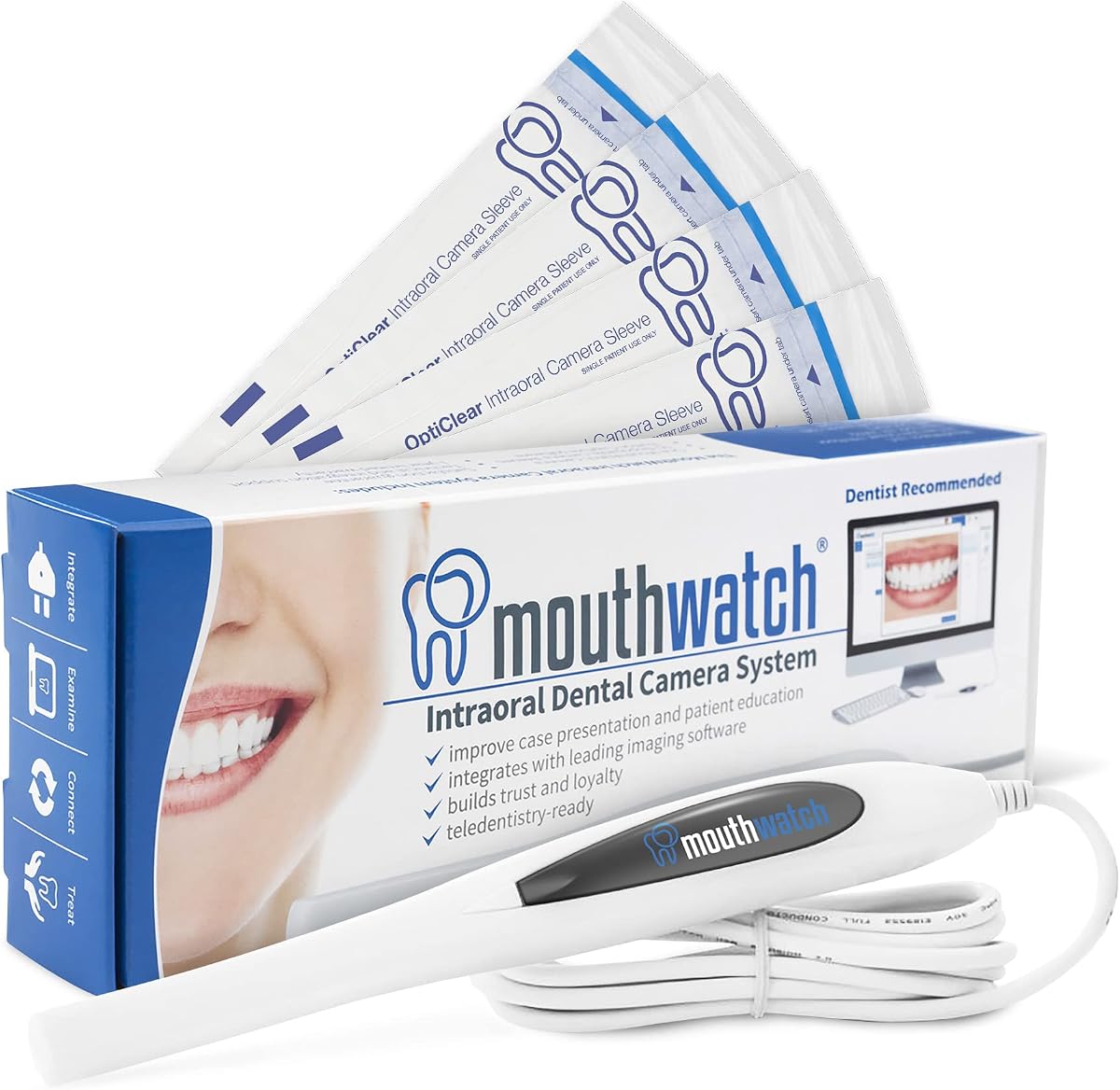


This camera offers excellent image quality and broad software compatibility for its price point. It ranks high due to its reliable performance and ergonomic design suited for daily clinical use.
We may earn a commission when you buy through this link, at no additional cost to you.
The crystal clear imaging helps dentists show patients exactly what needs attention. Inclusion of a capture button driver ensures seamless integration with popular software like Dexis and Eaglesoft.
Users note that while it works well with many programs, you must verify your specific software is on the supported list. This limitation is acceptable given the overall value and image clarity provided.
Ideal for small to mid-sized clinics seeking a reliable intraoral solution without excessive cost. It delivers the essential features needed for effective patient communication and record keeping.
The included driver ensures the capture button functions correctly with major imaging suites, streamlining workflow during patient exams.
Its lightweight design and ergonomic shape reduce hand fatigue during long procedures, making it comfortable for extended clinical sessions.
We may earn a commission when you buy through this link, at no additional cost to you.
This model is designed to improve case acceptance through high-quality visual communication. It focuses on speed and ease of use to keep patient interactions efficient and informative.
We may earn a commission when you buy through this link, at no additional cost to you.
The fixed focal distance eliminates hunting delays, ensuring quick focus. Single-button capture saves time during busy days, while the included software supports over fifty dental imaging suites.
Though it lacks adjustable focus, the fixed range covers most clinical needs effectively. Support resources are generous, helping users resolve integration issues quickly if they arise.
Perfect for practices prioritizing patient engagement and workflow speed. Its reliable performance and comprehensive support make it a solid choice for daily clinical operations.
Single-button capture allows immediate saving to patient charts without needing a mouse or keyboard, speeding up exam times.
Lifetime customer support via phone and chat ensures help is available whenever integration or setup challenges occur.
We may earn a commission when you buy through this link, at no additional cost to you.
The DY-60 offers unique zoom capabilities that help inspect fine details during examinations. It balances image quality with functional features that support various imaging software.
We may earn a commission when you buy through this link, at no additional cost to you.
Its 4X zoom allows for closer inspection without changing equipment. The capture button driver facilitates integration with many common programs, including Dexis and Carestream.
While 720P is lower than some newer models, it remains sufficient for most diagnostic tasks. The inclusion of necessary drivers simplifies setup significantly for many users.
Suitable for clinicians needing extra magnification detail without complex setups. The zoom feature adds versatility to standard intraoral imaging routines effectively.
The 4X zoom enables detailed visualization of small oral structures, aiding in precise identification of conditions.
Drivers are included to ensure the capture button works directly with listed software, reducing configuration time.
We may earn a commission when you buy through this link, at no additional cost to you.
This camera stands out for its wireless capabilities, offering unmatched flexibility during examinations. It combines high-resolution imaging with smart features that enhance usability.
We may earn a commission when you buy through this link, at no additional cost to you.
Wireless transmission allows free movement without cable constraints. The autofocus function and 8 LED lights ensure clear, detailed images in various lighting conditions.
Charging is managed via an included base, which is convenient but requires regular attention. The dustproof and anti-fog design ensures reliability in moist clinical environments.
Ideal for modern clinics seeking tech-forward tools. It delivers convenience and high-quality visuals, making it a strong premium option.
Wireless technology removes cable clutter, allowing dentists to move freely while capturing images during procedures.
Smart autofocus and 13MP resolution ensure crisp images without manual adjustment, improving diagnostic accuracy.
We may earn a commission when you buy through this link, at no additional cost to you.
The ProDENT HD emphasizes ease of connection with its plug-and-play design. It works with multiple imaging software, making it a versatile addition to any setup.
We may earn a commission when you buy through this link, at no additional cost to you.
Its capture app enables button functionality across various platforms. Automatic power off preserves battery and hardware life during idle periods.
Support is available to help with integration issues. While user ratings vary, the functional features remain strong for basic clinical needs.
Good for offices wanting minimal setup complexity. Its broad compatibility and straightforward operation offer practical value.
The capture app helps the camera button work with different software like Dexis and Eaglesoft seamlessly.
Automatic power off when placed in the holder conserves energy and extends the device lifespan.
We may earn a commission when you buy through this link, at no additional cost to you.
Affordability without sacrificing core imaging capabilities defines this option. It offers a slim lens design ideal for reaching tight spaces comfortably.
We may earn a commission when you buy through this link, at no additional cost to you.
Dual capture buttons facilitate flexible operation during procedures. The plug-and-play USB design means no extra drivers are needed for most systems.
It provides excellent value for basic daily check-ups and education. Though not feature-rich, it covers essential functions well.
Perfect for small practices or individual use seeking cost-effective solutions. It delivers reliable imaging at an accessible price.
The 6mm lens tip easily reaches back molars and interdental gaps for detailed inspection.
Double-sided buttons allow one-click capture, making it easier for left or right-handed users.
We may earn a commission when you buy through this link, at no additional cost to you.
This camera boasts high-resolution imaging suited for detailed examinations. It is marketed for compatibility with almost all dental software available.
We may earn a commission when you buy through this link, at no additional cost to you.
Its USB power eliminates the need for external adapters. The magnetic holder turns lights off automatically, saving energy and prolonging life.
A wide angle ensures optimal visibility of oral structures. Simple operation makes it accessible for users of all skill levels.
Ideal for those needing broad compatibility and solid resolution. Its straightforward design ensures reliability.
Compatible with all dental software on the market, ensuring it fits any practice workflow.
The magnetic holder automatically turns off LEDs when hung, extending the device's lifespan.
We may earn a commission when you buy through this link, at no additional cost to you.
This model integrates diagnostic tools directly into the capture process. It focuses on improving treatment acceptance through clear communication and analysis.
We may earn a commission when you buy through this link, at no additional cost to you.
Built-in software can analyze images to identify conditions and generate reports. The 5mm probe ensures minimal patient discomfort during exams.
While proprietary software is required, it includes diagnostic capabilities. The fixed focus avoids auto-focus delays, keeping interactions smooth.
Best for clinics wanting to offer visual diagnostic insights. It enhances patient education and record management.
The built-in software can automatically identify and mark oral conditions for faster assessment.
The 5mm ultra-thin probe minimizes discomfort, making exams easier for sensitive patients.
We may earn a commission when you buy through this link, at no additional cost to you.
Designed with patient comfort in mind, this camera features an ultra-thin lens. It delivers high-resolution images for precise oral examinations.
We may earn a commission when you buy through this link, at no additional cost to you.
The 4.8mm probe allows insertion with minimal mouth opening. Front and back buttons support flexible hand operation for efficiency.
It works well with most dental software and uses a magnetic holder. The auto light-off feature conserves energy effectively.
Great for clinics prioritizing patient experience without compromising on image quality. Its design is ergonomic and user-friendly.
The 4.8mm ultra-thin probe design maximizes comfort for patients during examinations.
Dual capture buttons support flexible operation, boosting efficiency during exams.
We may earn a commission when you buy through this link, at no additional cost to you.
This endoscope offers high-resolution viewing for both professional and personal care. It connects via multiple ports to ensure compatibility with Android devices.
We may earn a commission when you buy through this link, at no additional cost to you.
The 3-in-1 connector supports various devices without needing adapters. LED lights ensure visibility in dark areas of the mouth.
It is water-resistant for easy cleaning after use. While designed for Android, it works well for personal monitoring.
Ideal for individuals wanting to monitor oral health at home. It provides detailed views at an accessible price.
Features an integrated 3-in-1 connector for USB, Type-C, and Micro USB connections.
The IP67 water-resistant rating allows safe surface rinsing after each use for hygiene.
We may earn a commission when you buy through this link, at no additional cost to you.
Selecting the right dental camera involves evaluating image quality, connectivity, ergonomics, and software integration to meet your clinic's needs.
Resolution determines the clarity of captured images. Higher resolutions allow for better visibility of fine details, aiding in accurate diagnosis.
Look for models offering at least 13MP or equivalent clarity for professional standards.
Ensure the camera works with your current practice management system. Many models provide drivers to integrate with platforms like Dexis or Eaglesoft.
Verify compatibility lists before purchasing to avoid workflow disruptions.
A slim or ultra-thin lens probe enhances patient comfort. It allows for easier insertion into tight spaces without causing discomfort.
Prioritize probes under 6mm for ergonomic ease during extended use.
Choose between wired USB or wireless options. Wireless offers freedom of movement, while USB ensures stable power and data transmission.
Select based on your clinic's setup and need for mobility.
Integrated LEDs provide necessary illumination inside the oral cavity. Uniform lighting prevents shadows that could obscure important details.
Models with multiple LEDs offer better visibility in dark corners.
A lightweight and balanced handle reduces fatigue during long procedures. Ergonomic designs improve control and precision.
Look for ergonomic features if performing frequent exams daily.
Single-button capture systems streamline workflow by allowing quick image saving. Avoid models requiring keyboard input for capture.
Prioritize cameras with dedicated capture buttons for efficiency.
Dustproof and waterproof designs ensure longevity in clinical environments. These features protect internal components from moisture.
Choose models with protective ratings for reliable long-term use.
Begin by connecting the camera to your computer and installing any required drivers. Ensure the capture button is recognized by your imaging software.
Hold the probe gently and adjust position to capture clear images. Use the LED lights to illuminate the area properly without causing patient discomfort.
Clean the camera head with recommended disinfectants after each use. Store it in a dry place to maintain lens clarity and function.
Most dental cameras include drivers or are compatible with common imaging suites. Check the product listing for specific software support before buying.
Wireless cameras offer freedom of movement and are generally reliable when paired with a strong connection. Ensure the base station is properly set up for consistent performance.
A resolution of 13MP or higher provides sufficient detail for most clinical needs. This ensures sharp images for accurate diagnosis and record keeping.
Use a disinfectant wipe designed for medical devices. Avoid immersing the camera unless it has a specific waterproof rating.
Most models listed support Windows environments. Always verify macOS compatibility if you use a Mac for your practice management software.
With proper care, a dental camera can last several years. Regular cleaning and careful handling help extend its operational life.
Choosing the right dental camera enhances patient care and workflow efficiency. Whether you opt for wireless freedom or budget-friendly reliability, clarity and compatibility are key.
Prioritize features like lens ergonomics and software integration to match your practice needs. These elements ensure smooth operation during daily clinical routines.
Always verify current prices and availability as these models may change over time. Confirming details before purchase ensures you secure the best value for your clinic.