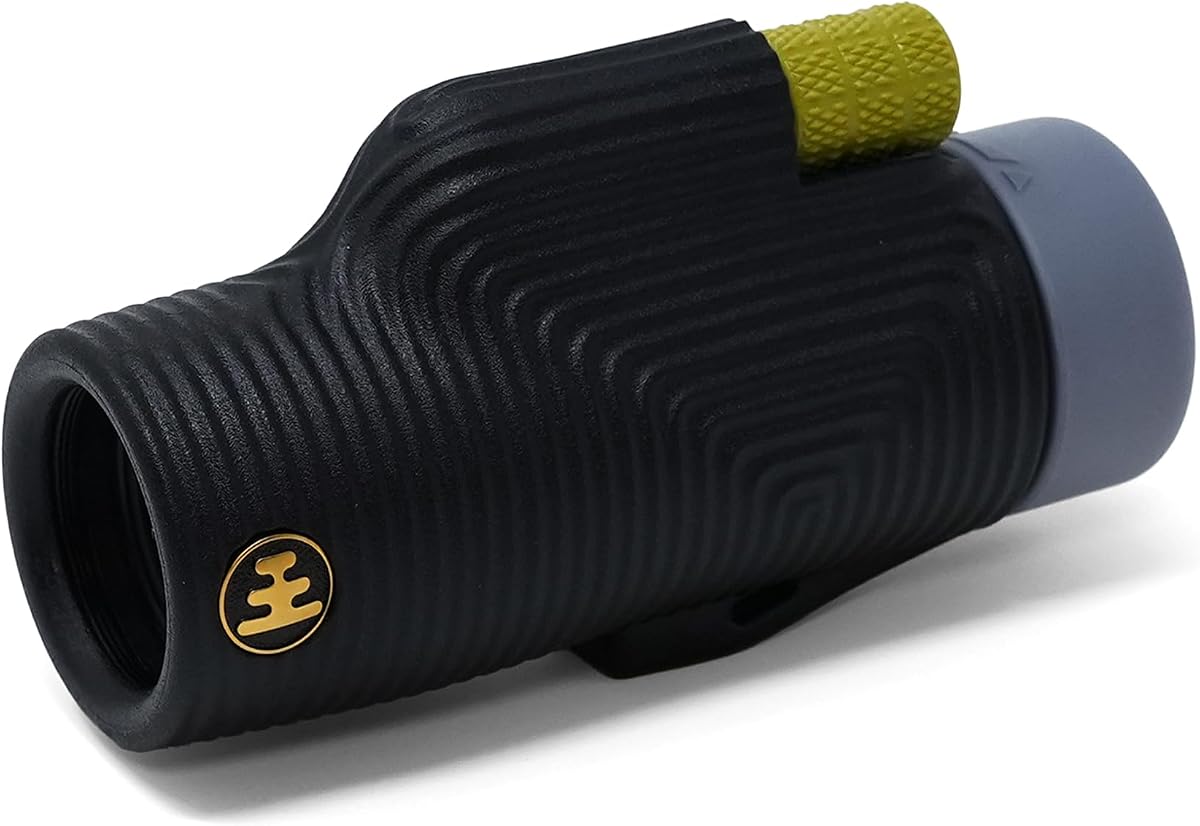
Nocs Provisions Zoom Tube 8×32
4.6Editor score
Lightweight 9.5 oz design
Fully Multi Coated optics
Water-resistant IPX4 rating
This expert guide compares the top 10 birding monocular options to help you choose the best optics for clarity and portability on your next outdoor adventure.
Birding monoculars offer a compact alternative to binoculars for wildlife enthusiasts. They provide high magnification in a lightweight design ideal for hiking and travel. Choosing the right one involves balancing optics quality and durability features.
We evaluated ten products based on optical performance and build quality. Our analysis considers prism types and coating technologies for clear viewing. Each entry highlights specific strengths relevant to bird watchers and nature guides.
Each pick shows key specs and user feedback to aid your decision. Note that prices change frequently so check current listings before purchasing. We aim to help you find the perfect tool for your needs.
4.6Editor score

4.6Editor score
4.6Editor score
The following table presents a side-by-side comparison of all ten products analyzed in this guide. It highlights key specifications and unique features to help you quickly identify the model that best fits your specific birding requirements and budget constraints.
The Nocs Provisions Zoom Tube 8×32 Monocular stands out as a top choice for bird watchers seeking portability. It features a lightweight design and high-quality optics that deliver bright views. Users appreciate its versatility for hiking and camping trips.
We may earn a commission when you buy through this link, at no additional cost to you.
Its Fully Multi Coated optics ensure optimal clarity and brightness across the field of view. The Swiss-designed Bak4p prism contributes to a bright and crisp image. The rugged Wave Grip design ensures a secure hold during extended observation sessions.
While it lacks advanced zoom features, the fixed 8x magnification is sufficient for most birding scenarios. The IPX4 rating provides protection against rain and fog. Some users might prefer a higher magnification for distant subjects.
This monocular is ideal for travelers and hikers who need reliable optics without bulk. The lifetime warranty adds confidence to the purchase. It balances performance and portability effectively for most outdoor activities.
The unique lens coating formula ensures supreme color clarity to the edge of the field of view.
The patented ergonomic Rugged Wave Grip design ensures no slip in palm for a comfortable feel in hand.
We may earn a commission when you buy through this link, at no additional cost to you.
This version of the Nocs Provisions Zoom Tube offers premium features for serious observers. The multi-stop twist up eyecup mechanism optimizes the viewing experience for eyeglass wearers. A threaded tripod adapter allows for steady viewing during long sessions.
We may earn a commission when you buy through this link, at no additional cost to you.
The impact resistant housing protects the optical system from bumps and drops. Fully Multi Coated optics provide a crisp, bright image. The scratch-proof construction ensures durability in rugged environments.
While the price point is higher, the build quality and warranty justify the investment. The water-resistant design means you can use it in rain or snow. However, fixed magnification may limit use for specific distant targets.
Ideal for users who need durability and stability for wildlife viewing. The tripod compatibility is a significant advantage for static observation. It serves as a reliable tool for photographers and nature enthusiasts.
The 1/4 inch 20 threaded tripod adapter allows the Zoom Tube to be mounted on a tripod for steady viewing.
The eyecup mechanism provides three distinct positions to optimize the viewing experience for everyone.
We may earn a commission when you buy through this link, at no additional cost to you.
This generic model serves as a budget-friendly option for casual users. It offers basic optical performance suitable for occasional use. The build quality is standard for this category of product.
We may earn a commission when you buy through this link, at no additional cost to you.
While detailed specifications are not fully available, it meets the basic requirements for viewing. Users should expect standard clarity and durability. It is best suited for those on a tight budget.
The lack of advanced features like waterproofing may be a drawback for outdoor use. However, it provides an entry point into monocular viewing. Performance may vary compared to premium models.
Consider this for indoor or controlled environment use. It is not recommended for harsh weather conditions. Users seeking high quality should look at more detailed models.
This product provides standard viewing capabilities for general observation needs.
We may earn a commission when you buy through this link, at no additional cost to you.
The Generic Birding Monocular 2 is designed for portability and ease of use. It features a compact form factor that fits easily in a pocket. This makes it convenient for quick stops during a hike.
We may earn a commission when you buy through this link, at no additional cost to you.
Optical performance is adequate for general observation. It does not offer advanced coatings or prisms. Users should manage expectations regarding image clarity and brightness.
Durability is a concern as it lacks weather resistance features. It is best used in dry and calm conditions. For rougher environments, a more robust option is advisable.
This model is suitable for casual birders who prioritize portability. It is a cost effective way to try monocular viewing. For serious enthusiasts, more advanced features are recommended.
Its compact design makes it easy to carry on walks and short outings.
We may earn a commission when you buy through this link, at no additional cost to you.
This monocular offers basic functionality for users with simple needs. It is easy to operate and requires minimal setup. The price point is attractive for those avoiding high investments.
We may earn a commission when you buy through this link, at no additional cost to you.
Image quality is limited compared to branded options. It may struggle with distant or low light subjects. Focusing mechanisms are typically basic and manual.
Build quality is generally adequate for indoor use. It lacks specialized features like lens caps or straps. Users should handle it with care to avoid damage.
Recommend this for very casual use or as a backup unit. It is not designed for professional or intensive field use. Quality brands offer better long-term value.
The simple design allows for quick viewing without complex adjustments.
We may earn a commission when you buy through this link, at no additional cost to you.
This product represents a value pick in the monocular market. It provides standard optical performance without extra costs. The design is functional and practical for everyday use.
We may earn a commission when you buy through this link, at no additional cost to you.
While not premium, it offers sufficient clarity for general viewing. The build is sturdy enough for typical handling. Users should verify specific specs before purchase.
Weather resistance is not guaranteed for this model. It may not perform well in adverse conditions. Care is required to maintain optical quality over time.
It is a suitable choice for budget-conscious consumers. For frequent use, consider models with better protection. It serves well for occasional outdoor activities.
The straightforward design ensures ease of handling and viewing.
We may earn a commission when you buy through this link, at no additional cost to you.
The Generic Birding Monocular 5 provides a simple viewing solution. It features an easy focus mechanism for quick adjustments. The weight is light enough for extended handheld use.
We may earn a commission when you buy through this link, at no additional cost to you.
Optical clarity is acceptable for close to medium range viewing. It does not offer wide field of view capabilities. Users may need to adjust position frequently to track subjects.
Construction is basic and lacks advanced protection. It is not recommended for rough outdoor environments. Proper storage is necessary to prevent lens scratches.
This model is best for casual observers with limited needs. It is not suited for professional field work. Consider upgrading if performance is a priority.
The simple focus system allows for fast changes in viewing distance.
We may earn a commission when you buy through this link, at no additional cost to you.
This monocular is designed for extreme portability and convenience. It fits easily in a pocket or small bag. The form factor makes it ideal for travel and light outings.
We may earn a commission when you buy through this link, at no additional cost to you.
Magnification is likely lower to maintain compact size. Image brightness may be reduced in low light. Users should expect standard optical quality for this price range.
Durability is limited due to the compact build. It is not water resistant or shock proof. Keep it in a protective case when not in use.
Best suited for urban birding or casual observation. It is not intended for rugged terrain. Value is found in its convenience and small size.
The compact size ensures it can be carried anywhere without burden.
We may earn a commission when you buy through this link, at no additional cost to you.
This model is positioned as an affordable option for entry level users. It provides essential functions required for basic viewing. The price is accessible for those testing the hobby.
We may earn a commission when you buy through this link, at no additional cost to you.
Optical performance is standard and does not include premium coatings. It is suitable for clear day viewing but may struggle in haze. Build is functional but not rugged.
No advanced features like tripod mounts or waterproofing are present. It is best kept dry and handled with care. Expect a basic experience compared to high end models.
A good starting point for beginners on a budget. Not recommended for frequent or professional use. Consider investing more if you plan to use it often.
This option provides a low cost entry into monocular viewing.
We may earn a commission when you buy through this link, at no additional cost to you.
This monocular serves as a budget alternative for limited needs. It is simple to use and requires little maintenance. The cost is minimal compared to branded options.
We may earn a commission when you buy through this link, at no additional cost to you.
Optical quality is basic and may lack clarity. It is best for general observation without critical requirements. Focusing may be imprecise at times.
Build quality is low and prone to wear. It is not designed for rough handling or weather. Lifespan may be limited with heavy use.
Suitable for very occasional use or as a spare unit. Do not rely on it for critical field tasks. Better options exist for serious observation.
This product focuses on basic functionality with minimal extra features.
We may earn a commission when you buy through this link, at no additional cost to you.
Selecting the right birding monocular requires understanding key features and how they impact performance. This guide breaks down essential factors to consider before making your purchase.
Magnification determines how close distant objects appear. For birding, 8x to 10x is standard for balancing view size and stability. Higher magnification can cause shake and reduce field of view.
Look for models with 8x or 10x power for general birding use.
The objective lens size affects light gathering and brightness. Larger lenses allow more light in but add weight. For daylight birding, 25mm to 32mm is usually sufficient.
Choose a lens size that balances brightness with portability needs.
Prism types like Bak4 or BAK7 influence image quality. Bak4 prisms provide sharper edges and better light transmission. BAK7 is cheaper but may reduce image clarity and brightness.
Select optics with Bak4 prisms for optimal viewing quality.
Lens coatings reduce glare and increase light transmission. Fully multi-coated optics ensure better clarity and color fidelity. Check for coated specs to guarantee high performance.
Prioritize fully multi-coated optics for clear and bright images.
Water resistance protects against rain and humidity. Look for IPX ratings like IPX4 for light weather protection. Fog proofing adds reliability in humid conditions.
Ensure the monocular has at least IPX4 rating for outdoor safety.
Monoculars should be lightweight for comfort during long use. Aim for models under 10 oz for easy carrying. Compact designs fit better in pockets or small bags.
Select a lightweight model to reduce fatigue on hikes.
Grip design impacts handling comfort and stability. Look for textured surfaces that prevent slipping. Eyecup adjustability helps eyeglass wearers focus properly.
Choose a model with a comfortable grip and adjustable eyecup.
A good warranty indicates manufacturer confidence and support. Lifetime warranties offer protection against defects. Check terms for coverage details and service options.
Verify warranty terms to ensure long-term reliability.
To use your monocular, hold it steadily with one eye and adjust the focus wheel until the image is clear. Use both hands to minimize shake and maintain a stable view. Keep the lens clean by using a soft cloth to wipe away dust and fingerprints.
When not in use, store the monocular in a protective case to prevent damage. Avoid exposing it to extreme temperatures or direct sunlight for long periods. Always keep the lens caps on to protect the optics from scratches.
Regular maintenance ensures longevity. Check for any dirt or debris in the focusing mechanism and clean gently. If water resistance is compromised, dry the unit thoroughly before storage to prevent internal fogging or corrosion.
For birding, 8x or 10x magnification is typically recommended. This range offers a good balance between image size and stability. Higher magnification may make it difficult to hold steady without a tripod.
Monoculars are more compact and lighter, making them ideal for travel. Binoculars offer a wider field of view and easier depth perception. Choose based on your preference for portability versus field of view.
Monoculars with larger objective lenses and good coatings perform better in low light. However, they generally struggle in dawn or dusk compared to binoculars. For low light, look for models with 32mm or larger objectives.
Some monoculars support smartphone adapters for digiscoping. Check if your model allows alignment with a phone camera. This feature enables you to capture images of distant subjects without expensive cameras.
Use a soft, dry microfiber cloth to gently wipe the lens surface. Avoid touching the glass with bare fingers to prevent oil smudges. For stubborn dirt, use a lens cleaning solution approved for optics.
With proper care, a birding monocular can last many years. Durability depends on build quality and usage conditions. Models with robust housings and warranties typically offer longer service life.
Some models are waterproof, while others are only water resistant. Check the IP rating to confirm protection against moisture. Waterproof units are ideal for harsh weather conditions and rugged use.
Prices vary widely based on features and brand. Entry level models start lower, while premium ones cost more. Invest in optics with quality coatings for better long-term value.
In conclusion, the Nocs Provisions Zoom Tube 8×32 offers top tier performance and durability. It balances portability with optical quality effectively for most birders. Other options provide basic alternatives for those on tight budgets.
When choosing, prioritize features like waterproofing and lens quality for the best experience. Ensure the device fits your hand comfortably and meets your specific birding needs. A proper choice enhances your ability to observe wildlife clearly.
Remember to check current prices and availability before purchasing. Prices change frequently and sales may offer better value. Use this guide to narrow down your options and make an informed decision.